
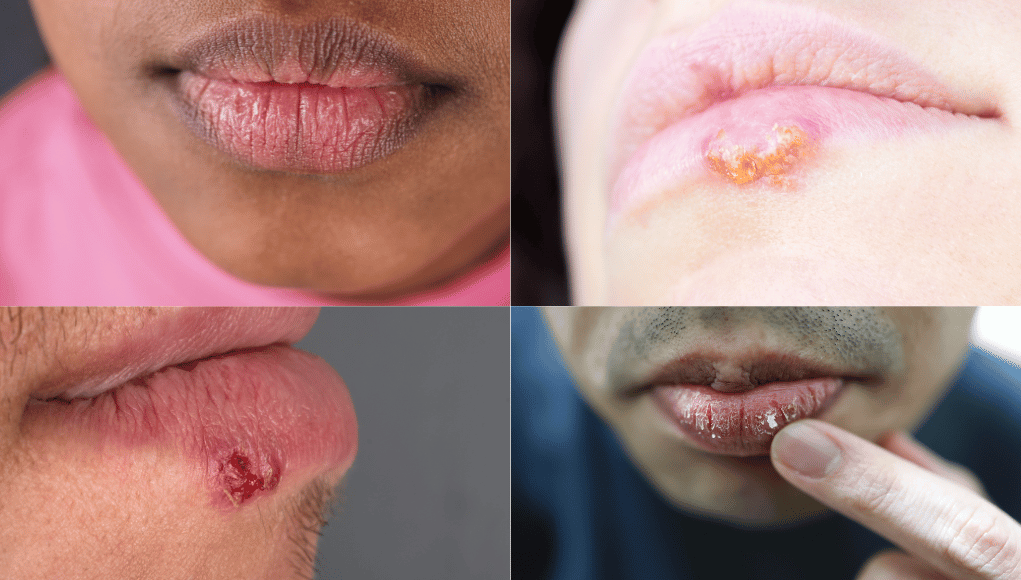
A sun blister on the lip is a painful, often unexpected condition that occurs when the delicate lip skin is damaged by excessive sun exposure. Because lips lack the protective pigment (melanin) found in other areas of the skin, they are more vulnerable to ultraviolet (UV) rays. Prolonged sun exposure can cause burns, leading to fluid-filled blisters, swelling, dryness, and discomfort.
Although it may seem minor, a sun blister on the lip can interfere with eating, speaking, and daily comfort. Understanding its causes, symptoms, and proper care is essential for quick healing and preventing future damage. Regularly using an SPF lip balm can help protect your lips from future sun damage and reduce the risk of blistering.
A lip sun blister is a small yet painful sign that your lips have been overexposed to harsh sunlight, causing damage to the delicate skin. Since the lips lack natural protection like oil glands and sufficient melanin, they can burn quickly, leading to redness, swelling, and fluid-filled blisters. This condition may make everyday activities like eating, speaking, or even smiling uncomfortable.
| Section | Key Points |
| Definition | A sun blister on the lip caused by UV damage, leading to fluid-filled blisters. |
| Main Cause | Excessive sun exposure without lip protection (SPF). |
| Risk Factors | Thin lip skin, low melanin, dehydration, and harsh environments. |
| Symptoms | Redness, swelling, pain, blisters, peeling, and sensitivity. |
| Healing Stages | Inflammation → Blister → Peeling → Recovery (3–7 days). |
| Treatment | Cooling, hydration, aloe vera, lip balm, and pain relief. |
| Home Care | Cold compress, natural oils, avoid sun, stay hydrated. |
| Foods | Soft, hydrating foods; avoid spicy, acidic, hot items. |
| Complications | Infection, delayed healing, discoloration, and sensitivity. |
| When to See a Doctor | Severe pain, signs of infection, fever, and delayed healing. |
| Prevention | SPF lip balm, hydration, avoiding peak sun, and protective habits. |
| Recovery Time | Mild (3–5 days), Moderate (5–7 days), Severe (7–10 days). |
What Is a Sun Blister on the Lip?
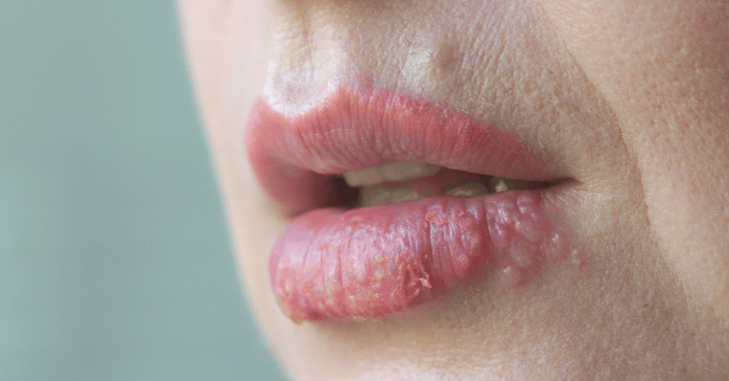
A sun blister on the lip is a common yet uncomfortable condition that occurs when the delicate lip skin is damaged by excessive exposure to ultraviolet (UV) rays. Because the lips have thinner skin and very little natural protection compared to other parts of the body, they are highly vulnerable to sunburn, which can quickly cause redness, swelling, and small, fluid-filled blisters.
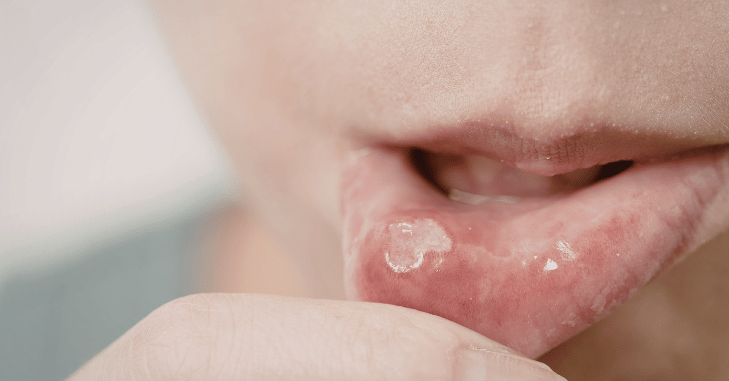
These blisters are the body’s natural response to protect and heal damaged tissue, but they can cause pain, dryness, and difficulty while eating or speaking. In many cases, a sun blister develops after spending long hours outdoors without proper lip protection, especially in environments with strong sunlight, such as beaches or high altitudes.
Although the condition usually heals on its own within a few days to a week, proper care, such as keeping the lips moisturized, staying hydrated, avoiding further sun exposure, and not picking at the blister, is essential to prevent infection and speed up recovery.
Why Are Lips More Sensitive to Sun Damage?
The lips are especially prone to sun damage because:
- They have very thin skin
- They contain less melanin (natural UV protection)
- They lack oil glands, making them prone to dryness
- They are constantly exposed to environmental elements
- Due to these factors, even short periods of intense sun exposure can lead to burns and blister formation.
Common Causes of Sun Blisters on Lips
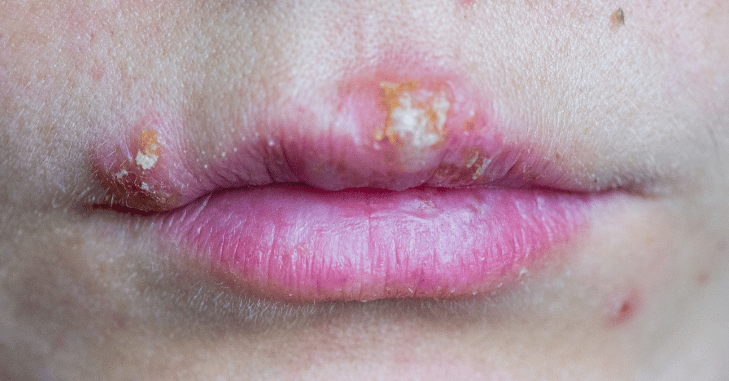
Home care plays an important role in reducing discomfort and promoting faster healing of a sun blister on the lip. Applying soothing remedies like aloe vera or honey can help calm irritation and support skin repair, while using cold compresses several times a day can reduce swelling and relieve pain.
Keeping the lips moisturized with natural oils such as coconut oil helps prevent dryness and cracking, and drinking plenty of fluids maintains hydration, which is essential for healing. It is also important to avoid sun exposure until the lips are fully healed, as further UV exposure can worsen the condition and delay recovery.
Symptoms of a Sun Blister on the Lip
Symptoms can vary from mild irritation to severe discomfort depending on the extent of the burn.
Early Symptoms
- Dryness and tightness
- Redness of the lips
- Mild swelling
- Burning or tingling sensation
Advanced Symptoms
- Formation of small fluid-filled blisters
- Pain and tenderness
- Crusting or peeling skin
- Difficulty eating or speaking
- Sensitivity to hot or spicy foods
Sun Blister vs Cold Sore: Key Differences
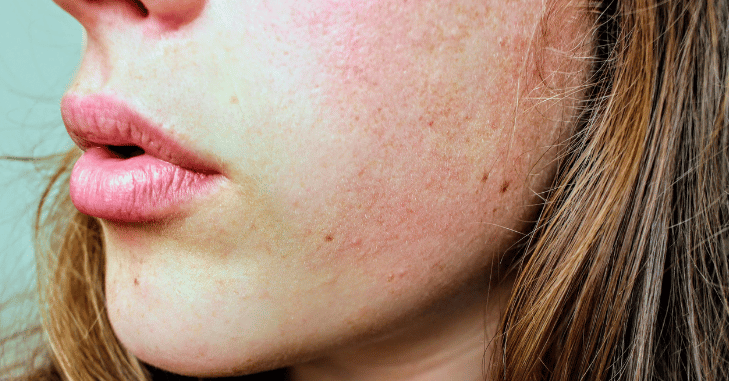
| Feature | Sun Blister | Cold Sore |
| Cause | Sunburn (UV damage) | Viral infection (HSV-1) |
| Appearance | Clear fluid blisters | Clustered sores |
| Trigger | Sun exposure | Stress, illness, virus |
| Contagious | No | Yes |
| Healing Time | 3–7 days | 7–14 days |
Stages of Healing
A sun blister on the lip typically heals in stages:
- Inflammation Stage (Day 1–2): Redness, swelling, and burning sensation appear.
- Blister Formation (Day 2–3): Fluid-filled blisters develop as the body protects damaged tissue.
- Drying and Peeling (Day 3–5): Blisters dry out, and the skin may begin to peel.
- Healing Stage (Day 5–7): New skin forms, and symptoms gradually subside.
Treatment for Sun Blisters on Lips
1. Immediate Care
- Move out of direct sunlight
- Apply a cool, damp cloth to reduce heat and inflammation
- Drink plenty of water to stay hydrated
2. Topical Treatments
- Aloe vera gel to soothe and cool the skin
- Lip balms with healing ingredients (like petroleum jelly)
- Mild hydrocortisone cream (if recommended by a doctor)
3. Pain Relief
- Over-the-counter pain relievers like ibuprofen
- Avoid spicy, salty, or acidic foods
4. Protect the Blister
- Do not pop the blister
- Keep the area clean and moisturized
- Avoid picking or peeling skin
Home Remedies for Faster Healing
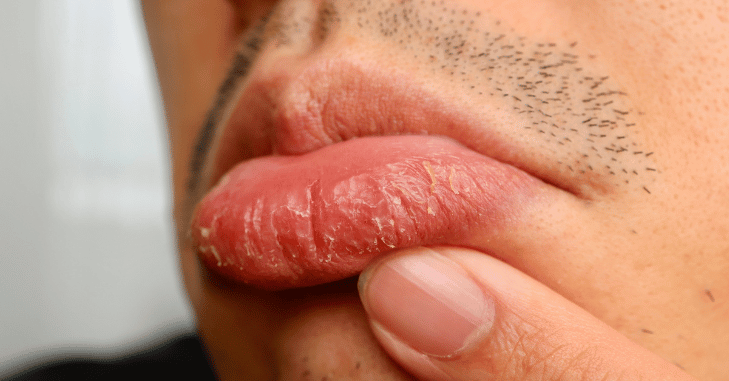
Home care can be very effective in reducing discomfort and promoting faster healing of a sun blister on the lip. Applying natural remedies like aloe vera or honey can help soothe irritation and support skin repair due to their calming and healing properties.
Using cold compresses several times a day can reduce swelling, relieve pain, and provide a cooling effect to the affected area. It is also important to keep the lips well-moisturized with natural oils such as coconut oil to prevent dryness and cracking.
Staying well-hydrated by drinking plenty of fluids helps maintain skin moisture from within, which supports recovery. Additionally, avoiding further sun exposure until the lips are fully healed is essential to prevent worsening of the condition and allow proper healing.
Foods to Eat and Avoid
Recommended Foods
- Soft fruits (banana, melon)
- Yogurt and smoothies
- Hydrating foods (cucumber, watermelon)
- Foods rich in vitamins A, C, and E
Foods to Avoid
- Spicy foods
- Acidic foods (citrus fruits, vinegar)
- Very hot beverages
- Salty or crunchy snacks
Possible Complications
If not properly cared for, a sun blister on the lip may lead to:
- Infection (if blister is broken)
- Delayed healing
- Increased sensitivity
- Lip discoloration
- Recurring sun damage
When to See a Doctor?
Seek medical attention if you experience severe pain or develop large blisters on your lips, as this may indicate deeper skin damage that requires professional care. It is also important to consult a doctor if you notice signs of infection, such as pus, increased redness, swelling, or warmth around the affected area, as these symptoms suggest that bacteria may have entered the damaged skin.
Additionally, if you develop a fever or chills, it could mean your body is reacting to an infection. Blisters that do not heal within 7–10 days or continue to worsen instead of improving should not be ignored, as delayed healing may lead to complications. Frequent recurrence of lip blisters may also require medical evaluation to rule out underlying conditions or repeated sun damage, ensuring proper treatment and long-term protection.
Prevention Tips
Preventing sun blisters is much easier than treating them. Simple habits can protect your lips effectively:
- Use lip balm with SPF 15 or higher daily
- Reapply lip protection every 2 hours outdoors
- Wear a wide-brimmed hat
- Avoid peak sun hours (10 AM–4 PM).
- Stay hydrated
- Avoid licking lips frequently
Recovery Timeline
| Severity | Healing Time |
| Mild | 3–5 days |
| Moderate | 5–7 days |
| Severe | 7–10 days |
Conclusion
A sun blister on the lip may seem like a minor issue, but it can cause significant discomfort and disrupt daily activities if not treated properly. With early care, proper hydration, soothing treatments, and protection from further sun exposure, most cases heal quickly without complications.
Understanding how to care for your lips and taking preventive measures, such as using SPF lip balm and avoiding prolonged sun exposure, can help maintain healthy, protected lips. By adopting these simple habits, you can reduce the risk of future sun damage and ensure faster recovery whenever irritation occurs.
Want to know about Family Therapy as a Path to Stronger Relationships Check out our Health category.
FAQs
Most sun blisters heal within 3 to 7 days, depending on severity. Mild cases recover quickly, while more severe blisters may take up to 10 days with proper care.
No, you should never pop a sun blister. Doing so can increase the risk of infection, delay healing, and cause further irritation or scarring.
The fastest way to heal is by keeping the area moisturized, using soothing remedies like aloe vera, staying hydrated, and avoiding further sun exposure.
You can prevent them by using SPF lip balm regularly, staying hydrated, avoiding peak sun hours, and protecting your lips with hats or shade when outdoors.
You should seek medical advice if the blister is very painful, shows signs of infection, does not heal within 7–10 days, or keeps recurring frequently.