


Posterior tongue tie is a condition that often goes unnoticed, yet it can quietly affect essential daily functions from the very beginning of life. Many parents struggle with breastfeeding challenges, such as poor latch, constant feeding, or unexplained fussiness in their newborn, without realizing that a hidden restriction under the tongue may be the root cause. Unlike the more visible anterior tongue tie, posterior tongue tie is located deeper beneath the tongue, making it difficult to detect during routine examinations.
This condition is not just limited to infancy. If left unrecognized, it can continue to influence speech clarity, oral development, swallowing patterns, and even dental health as a child grows into adulthood. Because the signs are often subtle, posterior tongue tie is frequently misunderstood or misdiagnosed, leading to delayed treatment and prolonged discomfort.
Understanding posterior tongue tie is essential for early identification and proper management. With growing awareness and advancements in modern treatment approaches, it is now easier than ever to address this condition effectively. This guide will walk you through everything you need to know in simple, easy-to-understand language, helping you recognize symptoms early and make confident, informed decisions for better health and well-being.
Posterior Tongue Tie: Key Facts and Insights
| Aspect | Details |
|---|---|
| Condition Name | Posterior Tongue Tie |
| Medical Term | Ankyloglossia |
| Visibility | Not easily visible |
| Location | Deep under the tongue |
| Common Age Group | Infants and children |
| Can Affect Adults | Yes |
| Main Issue | Restricted tongue movement |
| Feeding Problems | Common in newborns |
| Latching Difficulty | Frequently observed |
| Speech Impact | May affect pronunciation |
| Oral Hygiene | Can be harder to maintain |
| Diagnosis Difficulty | Often overlooked |
| Requires Specialist | Yes |
| Non-Surgical Option | Therapy and support |
| Surgical Procedure | Frenotomy |
| Procedure Duration | Very quick |
| Pain Level | Minimal discomfort |
| Recovery Time | Usually fast |
| Laser Option | Available |
| Risk Level | Low in most cases |
| Genetic Link | Possible |
| Prevention | Not guaranteed |
| Long-Term Effects | Possible if untreated |
| Treatment Necessity | Depends on symptoms |
| Prognosis | Generally very good |
What Is Posterior Tongue Tie?
Posterior tongue tie is a form of tongue restriction where the tissue under the tongue is tight or thick. This limits the tongue’s natural movement. The restriction is located deeper beneath the tongue rather than near the tip, which is why it is not always easy to see. Even though it may not be visible, it can still affect how the tongue functions during feeding, speaking, and swallowing. Posterior tongue-tie can be challenging because symptoms may persist even when nothing obvious is visible.
Hidden Symptoms You Should Not Ignore

Posterior tongue tie often shows indirect signs that can be mistaken for other issues.
1. Feeding Difficulties in Infants
- Trouble latching properly
- Feeding for long periods without satisfaction
- Fussiness during or after feeding
- Slow or poor weight gain
These issues happen because the tongue cannot move freely enough to create proper suction.
2. Breastfeeding Challenges for Mothers
- Pain or discomfort during feeding
- Cracked or sore nipples
- Frequent feeding sessions with little relief
3. Speech and Oral Function Issues
As children grow, they may experience:
- Trouble clearly articulating specific sounds while speaking
- Limited tongue movement
- Challenges with chewing or swallowing
4. Everyday Functional Problems
- Difficulty licking lips or cleaning food from teeth
- Poor oral hygiene habits
- Jaw tiredness after eating or speaking
These symptoms may seem minor at first, but can become more noticeable over time.
What Causes Posterior Tongue Tie?

Posterior tongue tie is present from birth. The exact cause is not fully clear, but it may be linked to genetics. Some families notice a pattern where multiple members have similar conditions. It is not caused by anything done during pregnancy, and there is no guaranteed way to prevent it.
Long-Term Effects of Posterior Tongue Tie

If left untreated, posterior tongue-tie may lead to ongoing challenges.
1. Feeding and Growth Concerns
Infants may not feed effectively, which can impact their nutrition and growth in the early stages.
2. Speech Development Issues
Some individuals may develop unclear speech or struggle with certain sounds as they grow.
3. Dental and Oral Health Problems
- Struggling to keep the mouth and teeth clean on a regular basis
- Increased risk of dental alignment issues
- Food is getting trapped due to limited tongue movement
4. Emotional and Social Impact
- Reduced confidence in speaking.
- Frustration in communication.
- Avoidance of social interaction in severe cases.
How Is Posterior Tongue Tie Diagnosed?

Diagnosis requires careful observation by a trained professional. Since the condition is not always visible, experts focus on how the tongue functions.
Evaluation may include:
- Checking tongue movement and flexibility
- Observing feeding behavior in infants
- Assessing speech patterns in children or adults
In some cases, multiple specialists may be involved to ensure an accurate diagnosis.
Modern Treatment Approaches

The choice of treatment is based on the intensity of the symptoms. Not every case needs medical intervention.
1. Non-Surgical Management
For mild cases:
- Adjusting feeding techniques
- Working with lactation experts
- Speech therapy exercises
These methods can improve function without surgery.
2. Frenotomy (Simple Procedure)
A frenotomy is a quick procedure that releases the tight tissue under the tongue.
Key points
- It generally requires just a short amount of time to complete.
- Minimal discomfort
- Quick recovery
- Often improves feeding immediately in infants.
3. Laser Treatment
Laser treatment is another option that offers
- High precision
- Less bleeding
- Faster healing
It is commonly used in specialized clinics.
Is Treatment Always Necessary?
Not always. Some individuals adapt well and experience little to no difficulty. Treatment is usually recommended only when the condition affects feeding, speech, or daily comfort. The focus should always be on improving function rather than treating appearance alone.
When Should You See a Doctor?
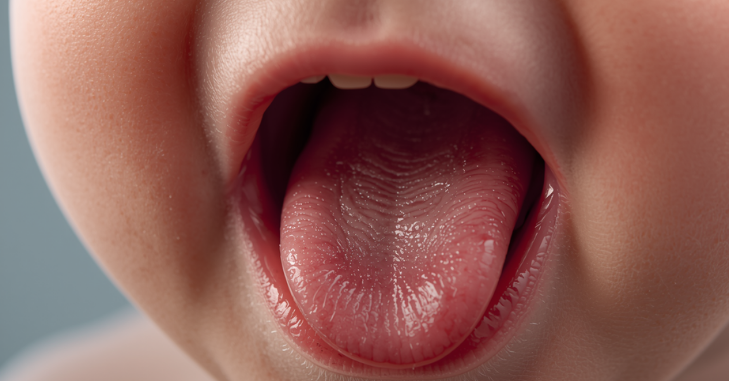
You should consider professional advice if you notice:
- Ongoing feeding problems in infants
- Poor weight gain
- Delayed or unclear speech
- Limited ability to move the tongue freely.
Early consultation can help avoid long-term complications.
Expert Tips for Parents and Adults

- Avoid self-diagnosis based on online information.
- Seek evaluation from a qualified professional.
- Focus on symptoms rather than appearance.
- Consider consulting another specialist for confirmation if you feel uncertain.
- Choose treatment only if it improves quality of life.
Conclusion
Posterior tongue-tie is a subtle yet impactful condition that can affect feeding, speech, oral health, and overall quality of life if left unrecognized. Because it is hidden beneath the surface, many individuals go undiagnosed for years, often attributing their challenges to other causes. This makes awareness and early evaluation extremely important, especially during infancy when feeding patterns are being established.
The good news is that posterior tongue tie is manageable. With the right guidance, timely diagnosis, and a focus on functional improvement, most individuals can experience significant relief. Modern treatment options, including simple procedures and supportive therapies, have made it easier to address the condition safely and effectively. At the same time, it is equally important to understand that not every case requires intervention. A careful, individualized approach always leads to the best outcome.
Parents, caregivers, and adults should stay informed and observant. Paying attention to early signs, seeking professional advice, and avoiding unnecessary panic can make a meaningful difference. When decisions are based on expert evaluation and real symptoms rather than assumptions, the results are more positive and sustainable.
Want to know about White Floaties in Urine Explained: Causes, Symptoms, Diagnosis, Treatment Check out our Health category.
Frequently Asked Questions (FAQs)
It is usually not dangerous, but it can cause functional problems if left untreated.
In some cases, symptoms may become less noticeable over time.
No, only cases with significant symptoms usually require treatment.
Yes, although it is often identified during infancy.
Yes, when performed by a trained professional, it is generally safe and quick.
1.
2.
3.
4.
5.