

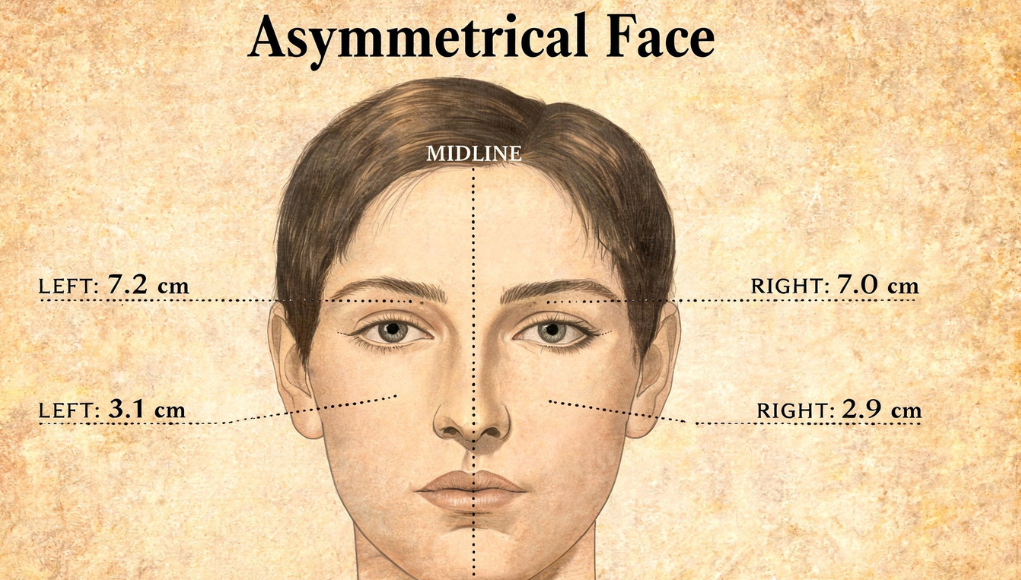
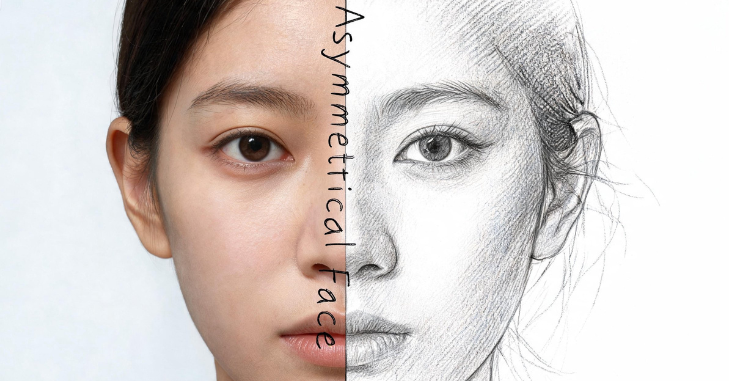
Asymmetrical Face is a common condition in which the two sides of the Face are not perfectly balanced or identical. While complete facial symmetry is often considered ideal, most individuals naturally have slight variations that are normal and usually unnoticeable. However, more pronounced asymmetry can arise from structural, functional, or developmental factors and may lead to aesthetic, medical, or psychological concerns.
An asymmetrical face can be present from birth or develop over time due to genetics, environmental influences, lifestyle habits, or underlying health conditions. Understanding this condition is important because facial appearance plays a significant role in self-esteem, social interactions, and overall well-being.
| Aspect | Key Points |
| Asymmetrical Face | Uneven or unbalanced facial sides |
| Types | Structural, Functional, Developmental |
| Structural Asymmetry | Bone or skeletal imbalance |
| Functional Asymmetry | Muscle imbalance or habits |
| Developmental Asymmetry | Occurs during growth |
| Causes | Genetic, congenital, trauma, neurological, dental, lifestyle |
| Psychological Impact | Low self-esteem, anxiety, body image concerns |
| Social Impact | Bias in first impressions, social challenges |
| Assessment | Visual exam, measurements, specialist evaluation |
| Diagnosis | Medical history and imaging techniques |
| Treatment | Orthodontics, surgery, exercises, cosmetic procedures |
| Severity | Mild (normal) to severe (requires treatment) |
| Prevention | Early detection, good habits, and dental care |
| Conclusion | Common condition; individuality matters |
Asymmetrical Face
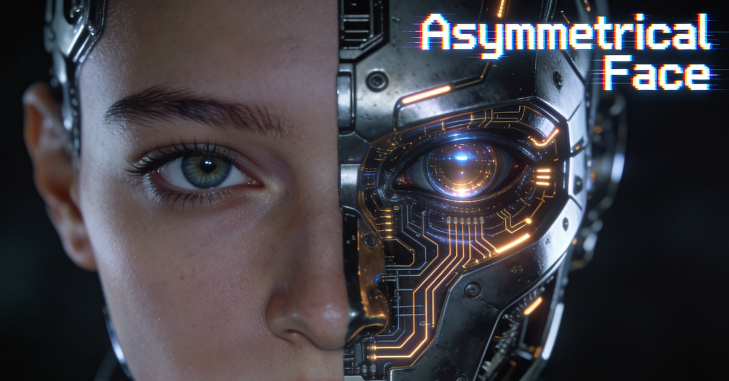
Asymmetrical Face refers to a condition in which the two sides of the Face are not perfectly balanced or identical. While an ideal face is often expected to be symmetrical, most individuals naturally have some degree of asymmetry. Mild differences are normal, and usually unnoticeable, but more prominent asymmetry may raise aesthetic, psychological, or medical concerns.
An asymmetrical face can be present from birth or develop over time due to biological, environmental, or lifestyle factors. It may affect facial features such as the eyes, nose, lips, cheeks, or jawline. Although often harmless and cosmetic, in some cases, it may signal an underlying medical issue.
Types of Facial Asymmetry
Facial asymmetry can be categorized into different types depending on its origin and nature. Each type reflects different underlying causes and presents unique characteristics.
Structural Facial Asymmetry
Structural facial asymmetry occurs when differences exist in the bone structure or skeletal framework of the Face. It is more noticeable because it affects the shape and alignment of facial bones, especially the jaw, cheekbones, and skull, often due to uneven growth or congenital deformities. This type of asymmetry usually becomes more prominent during adolescence as facial bones develop and may worsen with age due to uneven bone changes.
Functional Facial Asymmetry
Functional facial asymmetry is caused by uneven muscle activity rather than bone structure. It develops when one side of the Face is used more frequently, such as chewing on one side, leading to muscle imbalance. It may also result from temporary muscle weakness or nerve-related conditions. Unlike structural asymmetry, it is often partially reversible through exercises and behavioral changes.
Developmental Facial Asymmetry
Developmental facial asymmetry occurs during growth, often beginning in childhood, and is influenced by genetic and environmental factors affecting facial development. It may remain mild and improve over time, but in some cases, it can persist or worsen into adulthood, especially if linked to skeletal or orthodontic issues.
Causes of Facial Asymmetry
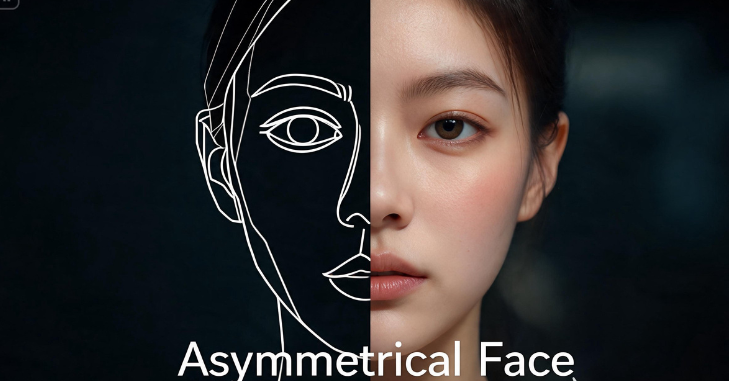
- Facial asymmetry can result from a combination of genetic, environmental, medical, and lifestyle factors, often occurring together in one individual.
- Genetic inheritance is a common cause, as traits related to bone structure, facial proportions, and muscle development can be inherited.
- Congenital conditions may lead to asymmetry when individuals are born with structural differences in facial bones or muscles due to developmental abnormalities.
- Trauma or injury, including accidents, fractures, or surgeries, can cause uneven healing and long-term changes in facial structure.
- Neurological conditions such as Bell’s palsy can weaken facial muscles on one side, resulting in temporary or permanent asymmetry.
- Dental and jaw-related issues, such as misaligned teeth, an improper bite, or uneven jaw growth, can significantly affect facial balance.
- Environmental and lifestyle factors, such as poor posture, sleep habits, and repeated facial movements, can gradually contribute to mild asymmetry.
Psychological and Social Impact of Facial Asymmetry
Facial appearance strongly influences both self-perception and how others perceive an individual, so noticeable facial asymmetry can have psychological and social effects. It may lower self-esteem, reduce confidence, and lead to avoidance of social situations such as public speaking or taking photographs.
Individuals may also experience anxiety, emotional distress, and excessive concern about their appearance, sometimes developing body image issues. Socially, asymmetry can lead to bias in first impressions, affecting relationships, education, and career opportunities. However, the impact varies, and many individuals cope well, especially with supportive environments and a positive self-image.
Clinical Assessment of Facial Asymmetry
The assessment of facial asymmetry involves a careful evaluation of facial structure, muscle function, and dental alignment. Healthcare professionals such as orthodontists, maxillofacial surgeons, and neurologists may be involved depending on the suspected cause.
Visual Examination and Measurements
Clinical assessment typically begins with a visual examination of the Face from different angles to identify differences between both sides. Measurements are taken to compare features such as eye level, jaw position, and cheekbone alignment.
Imaging and Dental Evaluation
For detailed analysis, imaging techniques like X-rays, CT scans, or 3D facial scans are used to examine bone structure and detect abnormalities. Dental evaluations are also important when jaw or bite misalignment is suspected.
Neurological Assessment
Neurological evaluation is performed if facial muscle weakness is present or suspected nerve involvement is suspected. This helps determine whether the asymmetry is functional, structural, or neurological in origin.
Diagnosis Methods and Evaluation
- Accurate diagnosis of facial asymmetry requires a combination of clinical observation and diagnostic tools. The goal is to identify the root cause and determine whether the condition is stable, progressive, or reversible.
- Medical history plays an important role in diagnosis. Information about birth history, past injuries, dental issues, or neurological symptoms can provide valuable clues. Growth patterns and family history are also considered when evaluating developmental or genetic causes.
- Advanced imaging technology has significantly improved diagnostic accuracy. Three-dimensional scans allow specialists to assess facial proportions in detail and compare both sides of the Face precisely. This helps in planning appropriate treatment if needed.
Treatment Options for Facial Asymmetry
Treatment for facial asymmetry depends entirely on its cause and severity. In mild cases, no medical intervention is required, and reassurance may be sufficient. However, in more noticeable or functional cases, treatment options may be considered. Orthodontic treatment is commonly used when dental or jaw misalignment is involved. Braces or aligners can help correct bite issues and improve facial balance over time.
In more severe skeletal cases, surgical intervention may be required. Orthognathic surgery is often used to reposition the jaw and restore facial symmetry. This type of treatment is usually planned carefully and may involve both orthodontic and surgical stages. Physiotherapy and facial exercises may be recommended for muscle-related asymmetry. These exercises aim to improve muscle balance and coordination on both sides of the Face.
Cosmetic procedures such as fillers or reconstructive treatments may also be used to enhance facial symmetry for aesthetic purposes. These options are usually considered when structural correction is not necessary, but appearance improvement is desired.
Conclusion
Facial asymmetry is a common and natural phenomenon that exists in almost every human being to some degree. While mild asymmetry is normal and often unnoticed, more pronounced differences may result from structural, functional, or developmental factors. The causes of facial asymmetry are diverse, ranging from genetics and congenital conditions to trauma, neurological disorders, and lifestyle habits.
Beyond physical appearance, facial asymmetry can also have psychological and social effects, influencing self-esteem, confidence, and interpersonal interactions. Advancements in medical and dental science have enabled effective diagnosis and treatment of complex cases through orthodontics, surgery, and therapeutic interventions.
However, in many cases, acceptance and self-confidence play just as important a role as medical treatment. Ultimately, facial asymmetry highlights the natural diversity of human appearance, reminding us that symmetry perfection is rare and that individuality defines facial identity.
Want to know about Recreating Female Women’s 90s Hip Hop Fashion: Step-by-Step Style Tips, Outfit. Check out our Fashion category.
FAQs
Fixing an asymmetrical face involves a combination of natural, non-surgical, and surgical methods depending on the cause, which can range from muscle imbalances and poor posture to skeletal issues. Common solutions include facial exercises (mewing, myofunctional therapy), improving posture, sleeping on your back, dermal fillers, Botox, and orthodontic work.
Everyday habits, like sleeping on one side or on your stomach, chewing mostly on one side, or resting your Face on your hand, can lead to muscle imbalances and facial asymmetry. Poor posture can also affect the alignment of your neck and jaw, changing the balance of your facial features.
None of the photographed subjects had a perfectly symmetrical face (asymmetry index (AI) of 0%); 33.3% of the photographed subjects had an AI in the range of 1.6–2.0%. The majority of assessors chose the manipulated symmetrical Face as the most attractive (the manipulated photograph was selected in 91.2% of cases).
“If your asymmetry comes from bone structure, sleep position won’t fix it,” says Dr. Mehta. “Sleeping on your back may help reduce new skin compression lines over time, but it won’t reverse existing differences.”