
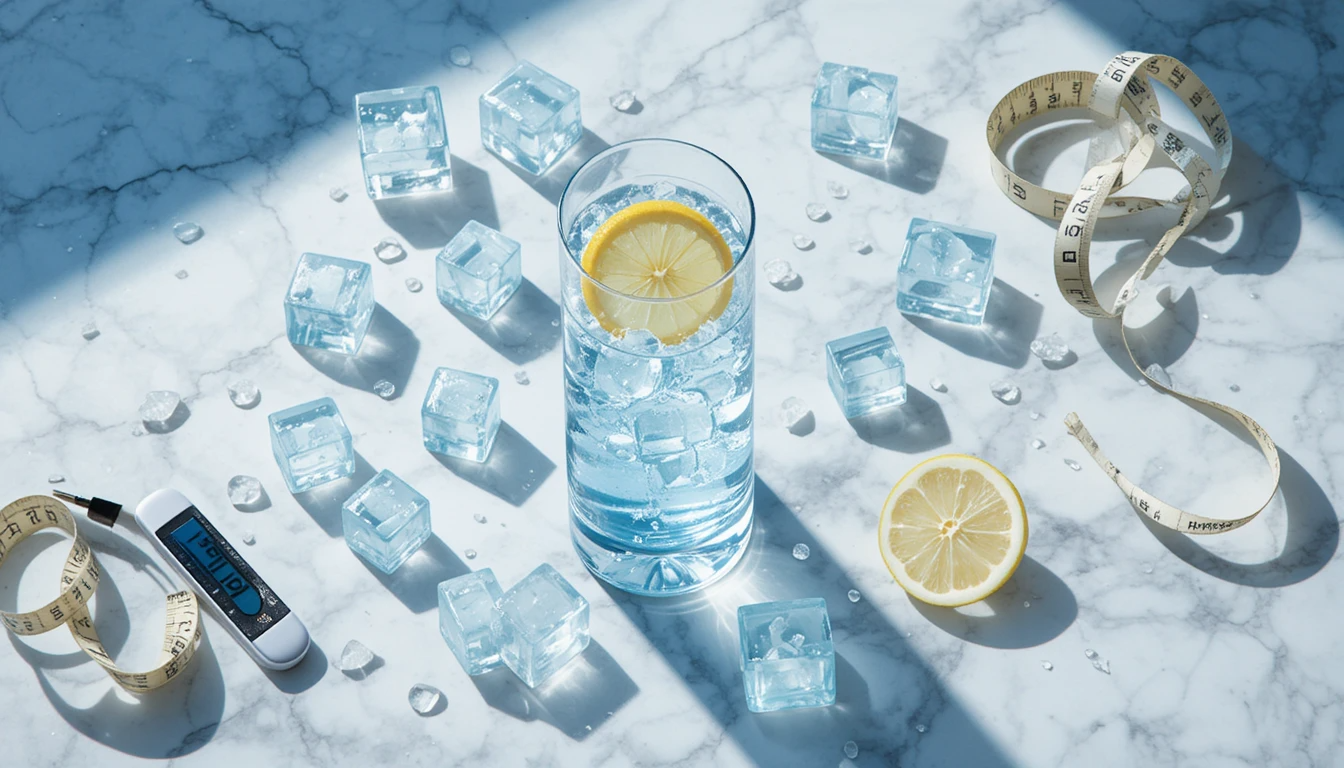
The idea of losing weight with a simple trick like drinking cold water sounds almost too good to be true, and that’s exactly why the ice water hack has gone viral. From social media trends to wellness blogs, many people claim that consuming ice-cold water or exposing the body to cold temperatures can boost metabolism and help burn fat effortlessly. Also worth reading: How to respond to ill call you later professionally text.
But how much of this is actually backed by science? In this article, we break down everything you need to know about the ice water hack, including how it works, whether it helps with weight loss, the science behind cold exposure, and whether it’s safe to try. We will separate the viral marketing myths from the biological realities of metabolic thermogenesis. Furthermore, you’ll discover expert-backed tips on how to safely integrate temperature-based wellness into your daily routine.
| Key Points | Details |
| Concept | Drinking cold water or exposing the body to cold to increase calorie burn |
| Main Mechanism | Cold-induced thermogenesis (body burns energy to stay warm) |
| Calories Burned | 5–10 calories per glass of ice water |
| Metabolism Impact | Slight and temporary increase |
| Weight Loss Effectiveness | Very low when used alone |
| Role of Brown Fat | Helps generate heat and burn small amounts of calories |
| Scientific Support | Limited and mixed research evidence |
| Benefits | Hydration, slight calorie burn, possible appetite control |
| Risks | Cold shock (ice baths), digestion issues, discomfort |
| Who Should Avoid | People with heart, respiratory, or Raynaud’s conditions |
| Best Use Case | As a hydration habit, not a weight loss method |
| Comparison to Diet/Exercise | Much less effective than proper diet and physical activity |
| Expert Verdict | Not a reliable weight loss strategy |
What Is the Ice Water Hack?
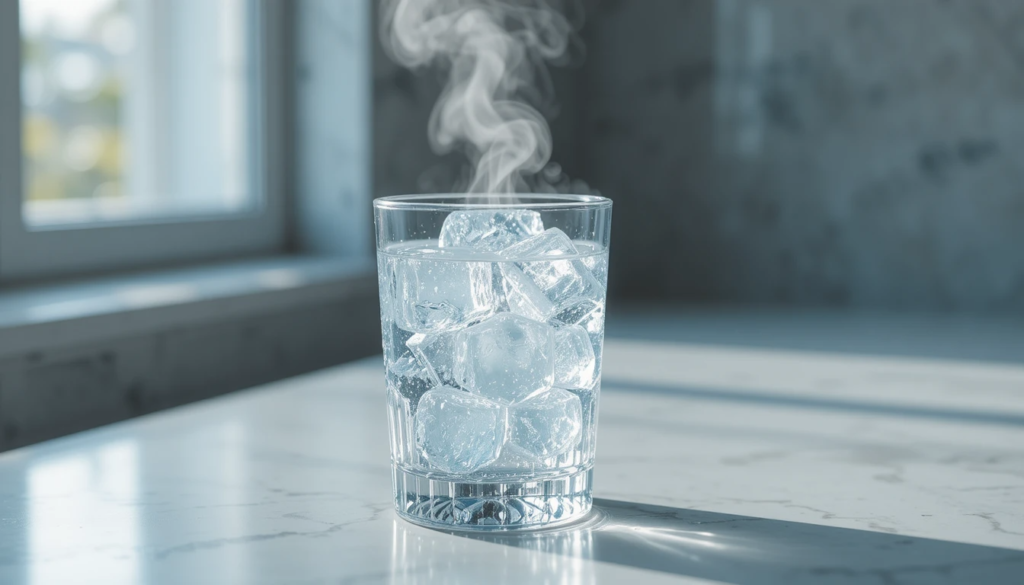
The ice water hack is based on a simple concept: when you consume cold water or expose your body to cold temperatures, your body must work harder to maintain its normal temperature. This process is known as cold-induced thermogenesis, where the body burns energy (calories) to generate heat.
Common ways people try the ice water hack:
- Drinking ice-cold water (often before meals)
- Eating cold foods within daily calorie limits
- Taking cold showers or ice baths
- Applying ice packs to certain body areas
The goal is to slightly increase calorie burn without changing diet or exercise significantly.
Does the Ice Water Hack Help With Weight Loss?

Short answer: Not really.
While the idea is based on real biological processes, the actual impact on weight loss is very small.
Here’s what research suggests:
Drinking ice water burns only a few extra calories, and the effect is temporary and short-lived. It does not lead to meaningful fat loss on its own. For example, warming a glass of ice water may burn around 5–10 calories, and even if repeated multiple times a day, the overall impact remains minimal.
Key takeaway:
The ice water hack may slightly increase calorie burn, but it is not a reliable or effective weight loss strategy.
Can Cold Exposure Boost Metabolism?
Cold exposure can increase metabolism, but only to a limited extent, as the body works to maintain its core temperature. This effect is linked to brown fat, a special type of fat tissue that helps generate heat by burning calories and becomes more active in cold conditions.
Scientific research suggests that cold exposure may increase energy expenditure and that activation of brown fat can help regulate metabolism. However, the results are mixed, as some individuals experience a slight increase in calorie burn, while others, particularly those with higher body fat, may see little or no noticeable effect.
Ice Water Hack vs Real Weight Loss Methods
| Method | Effectiveness | Sustainability | Science Support |
| Ice Water Hack | Very low | Easy | Weak |
| Balanced Diet | High | Long-term | Strong |
| Exercise | High | Long-term | Strong |
| Cold Exposure Therapy | Low–moderate | Limited | Moderate |
Insight:
The ice water hack is not harmful, but it cannot replace proper nutrition and exercise.
Why the Ice Water Hack Became Popular
The popularity of the ice water hack isn’t random—it taps into common weight loss psychology.
Reasons it went viral:
- It’s simple and free
- No effort required (compared to workouts)
- Based on a “real” scientific idea
- Gives a physical sensation (feels like it’s working)
- Fits into “quick fix” culture
Like many trends, it takes a small truth and exaggerates the results.
Does Ice Water Reduce Appetite?
Possibly, but not because it’s cold. Drinking water before meals can help you feel fuller, which may reduce calorie intake. However, this effect applies to all water, not just ice water, as proper hydration helps regulate hunger signals. The temperature of the water does not significantly enhance this benefit.
Example:
Some studies show that drinking water before meals can reduce food intake by about 10–15%, but temperature doesn’t matter.
Ice Water Hack Recipe (If You Want to Try It)
There’s no complex formula just simple hydration.
Basic method:
- Fill a glass with cold water and ice
- Drink before meals (1–3 times daily)
Optional additions:
- Lemon juice
- Apple cider vinegar
- Pinch of salt
These ingredients may improve taste, but they don’t significantly impact fat loss.
Risks and Safety Concerns
While drinking ice water is generally safe, extreme cold exposure can carry risks.
Potential Concerns
Slower digestion may occur in some individuals, especially when consuming very cold foods or drinks. People with sensitive stomachs might also experience discomfort. In more extreme cases, such as ice baths, there is a risk of cold shock, which can affect breathing and heart rate. Additionally, cold exposure may not be suitable for individuals with certain health conditions.
Avoid Cold Therapy If You Have
Cold therapy should be avoided by individuals with cardiovascular disease, respiratory issues, or Raynaud’s disease, as it may worsen symptoms or lead to complications.
Expert Insight: What Actually Works?

Sustainable weight loss requires a balanced approach.
Proven strategies:
- Calorie-controlled, nutrient-rich diet
- Regular physical activity
- Consistent sleep schedule
- Hydration (any temperature)
- Behavioral changes
Working with a dietitian can help identify personal barriers and create a realistic plan.
Conclusion
The hype around the ice water hack shows how appealing simple weight loss solutions can be. While the science behind cold-induced thermogenesis is real, the actual impact on fat loss is minimal.
If you’re serious about weight management, focus on sustainable habits rather than quick fixes. Drinking water, whether cold or room temperature, is beneficial, but long-term results come from consistency, not shortcuts. Real transformation is built on the foundation of balanced nutrition and regular physical activity that you can maintain for years, not days.
Want to know about Sun Blister on the Lip: Complete Overview of Causes, Symptoms, Treatment Check out our Health category.
FAQs
Yes, but only a small amount. The body uses energy to warm the water, but the effect is minimal.
Only slightly and temporarily. It does not lead to long-term metabolic changes.
No. Hydration matters more than temperature.
They may slightly increase calorie burn, but not enough for meaningful weight loss.