

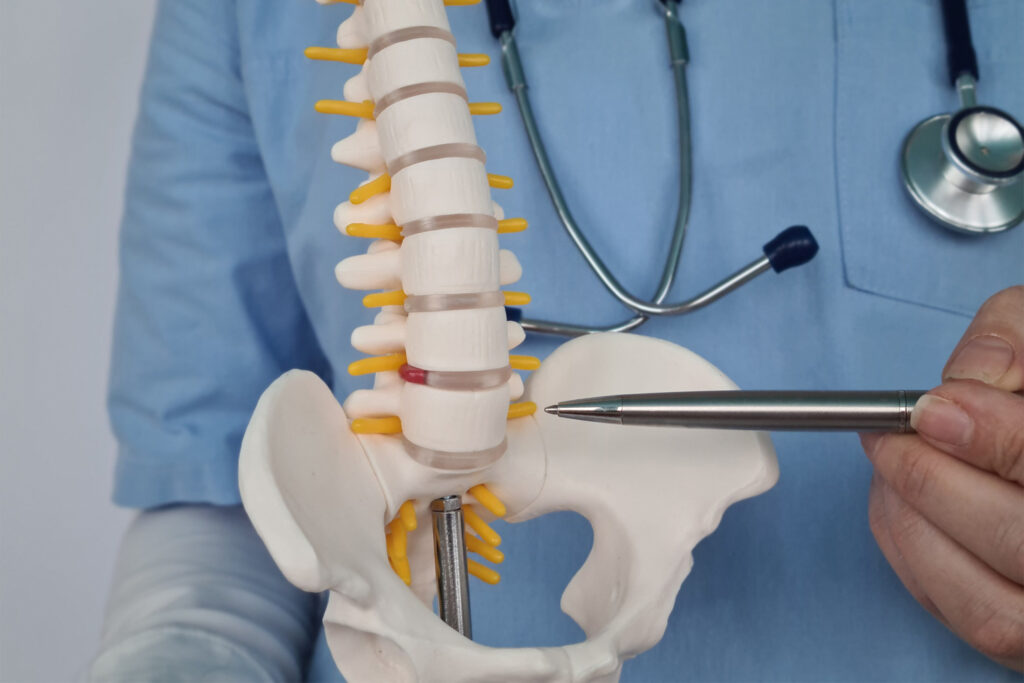
Spinal degeneration is a progressive condition that can severely affect mobility, comfort and quality of life if not caught early. It often begins subtly, with patients experiencing occasional back pain, stiffness or nerve sensitivity, symptoms that may go unnoticed or misattributed to normal aging. Dr. Larry Davidson, a specialist in the field, recognizes that early detection is critical in managing spinal degeneration, before irreversible damage occurs. Artificial Intelligence (AI) is now revolutionizing diagnostics by identifying degenerative changes with speed and accuracy that were previously unachievable.
AI-driven diagnostics use advanced algorithms and machine learning techniques to scan imaging data, identify anomalies and detect patterns that even trained eyes might miss. These tools enable clinicians to recognize the earliest signs of spinal wear, disc collapse or vertebral misalignment, often before symptoms become severe. This shift toward proactive detection offers new opportunities for timely intervention, personalized care and better long-term outcomes.
Understanding Spinal Degeneration and Its Challenges
Spinal degeneration refers to the gradual deterioration of the discs, joints and vertebrae that make up the spinal column. This process can result from aging, repetitive strain, injury or genetic predisposition. Common conditions under the spinal degeneration umbrella include degenerative disc disease, spinal stenosis and facet joint osteoarthritis.
One of the biggest challenges in diagnosing spinal degeneration is the variability of early symptoms. Some patients experience pain or discomfort long before structural changes are visible in traditional imaging, while others show advanced degeneration with minimal symptoms. Relying solely on patient-reported symptoms and standard imaging can delay diagnosis, limiting treatment options and allowing the condition to progress.
How AI Enhances Imaging Analysis
AI-driven diagnostics use powerful image recognition software trained on thousands of spinal scans. These systems can detect minor changes in spinal structure, such as reduced disc height, subtle bone spur formation or early signs of nerve impingement. Unlike human radiologists, who may focus on key areas flagged during a review, AI evaluates every pixel with precision.
Machine learning models identify patterns across multiple imaging modalities, including MRI, CT and X-rays and compare them against databases of known degenerative cases. This cross-referencing ability enables the system to flag subtle warning signs with high accuracy and consistency, even in patients who may otherwise be overlooked in the early stages of degeneration.
Predicting Progression Before It Happens
AI diagnostics go beyond identifying current degeneration; they also help forecast how the condition may evolve. By analyzing demographic data, biomechanics, lifestyle factors and existing spinal changes, machine-learning models can estimate the likelihood and speed of degeneration in specific spinal segments.
For instance, if an AI platform detects early disc thinning and mild facet joint arthropathy in the lumbar spine, it can predict a patient’s risk for developing spinal stenosis within the next five years. This forward-looking capability allows for preventive strategies such as physical therapy, lifestyle modifications or minimally invasive procedures aimed at slowing progression and preserving function.
Bridging the Gap Between Detection and Treatment
AI-driven diagnostics enhance treatment planning by detecting spinal issues early and predicting future risks. This allows for timely interventions like targeted exercises, medications or ergonomic changes. In advanced cases, AI helps tailor surgical or non-surgical strategies, reducing unnecessary procedures and improving care quality.
Improving Diagnostic Accuracy and Reducing Human Error
AI enhances diagnostic accuracy by consistently analyzing scans, reducing the risk of missed signs under time pressure. Acting as a second opinion, it supports clinicians by confirming findings or flagging concerns, helping prevent misdiagnoses and ensuring no detail is overlooked.
Enhancing Patient Communication and Engagement
AI diagnostic platforms use visual tools to explain spinal conditions clearly, showing affected areas and degeneration progression. This enhances patient understanding, encourages treatment compliance and promotes active participation in preventative care and rehab.
Addressing Systemic Barriers in Healthcare
AI is poised to close critical gaps in diagnostic access, particularly in underserved areas. When specialists aren’t readily available, AI tools empower general practitioners and radiologists to make more confident evaluations of spinal conditions. By democratizing advanced diagnostic capabilities, AI helps ensure that quality care reaches patients no matter where they live.
In large hospital systems, AI also helps manage increasing imaging volumes by prioritizing scans with high-risk findings. Improved workflow efficiency ensures that critical cases are identified and addressed more quickly, enhancing responsiveness in urgent situations.
Limitations and Ethical Considerations
Despite AI’s promise in spinal diagnostics, it’s important to recognize its limitations. AI models are only as good as the data they’re trained on. If certain demographics or conditions are underrepresented in the training data, diagnostic accuracy may vary across patient populations.
Privacy and data security also remain top concerns. Healthcare providers must ensure that AI systems comply with data protection standards, especially when dealing with sensitive imaging and personal health records. AI should never replace clinical judgment but serve as an enhancement to it.
Evolving Diagnostic Capabilities
The future of AI-driven diagnostics is promising. With continued development, AI systems will likely integrate genetic information, lifestyle tracking and even motion analysis data to form a more comprehensive understanding of spinal health. These tools will not only detect structural degeneration but also evaluate functional deficits in movement and flexibility, offering a full-spectrum view of the spine’s condition.
Over time, AI could play a larger role in preventative care, identifying patients who haven’t yet developed symptoms, but show early degenerative markers. This shift from reactive to preventative diagnostics is poised to redefine how spinal degeneration is managed across all stages.
A Smarter Path to Spinal Health
AI is no longer a futuristic concept; it’s a practical tool reshaping how spinal conditions are detected, monitored and managed. With faster diagnostics, personalized insights and early interventions, patients benefit from a more proactive and precise approach to spinal care.
Dr. Larry Davidson notes, “AI will provide us with the ability to have a total and comprehensive understanding of the patient’s medical history and what sort of spinal interventions would be considered as best practices.” This depth of understanding allows clinicians to make smarter, faster decisions that directly support better patient outcomes.
As AI-driven diagnostics continue to improve, the window for early intervention widens. The result is smarter care, fewer complications and more opportunities for patients to maintain strong, functional spines throughout their lives.
| Apart from that if you want to know about “Family Therapy as a Path to Stronger Relationships” then please visit our Health Category. |