

Chimney Repair
Proper chimney repair and maintenance are essential for ensuring the safety, efficiency, and longevity of your home’s heating system. A well-maintained chimney prevents hazards such as chimney fires, carbon monoxide leaks, and water damage.
Regular inspections, timely repairs, and proper cleaning can help identify issues early, reduce repair costs, and keep your home safe and comfortable. Understanding common signs of chimney damage, cost factors, and repair options enables homeowners to make informed maintenance decisions.
| Category | Summary |
| Importance of Maintenance | Prevents fires, carbon monoxide leaks, and structural damage. Regular upkeep ensures safety and efficiency. |
| Signs of Damage | Includes cracks in masonry, leaks, spalling bricks, rust, odors, and smoke backdrafting. |
| Average Repair Cost | Typically ranges from $200 to $1,500, depending on repair type and damage severity. |
| Cost Breakdown | Inspection: $100–$250; Cleaning: $100–$300; Masonry Repair: $500–$1,500; Flashing: $200–$500; Cap Installation: $100–$300; Liner Replacement: $1,500–$4,000. |
| Factors Affecting Cost | Extent of damage, location, repair type, accessibility, and materials used. |
| DIY vs. Professional Repair | DIY saves money but poses safety risks; professionals offer expertise, safety, and comprehensive services. |
| Maintenance Tips | Annual inspections, regular cleaning, proper ventilation, and hiring certified contractors. |
| Long-Term Benefits | Extends chimney life, enhances home safety, reduces future repair costs, and improves efficiency. |
Understanding the Importance of Chimney Maintenance
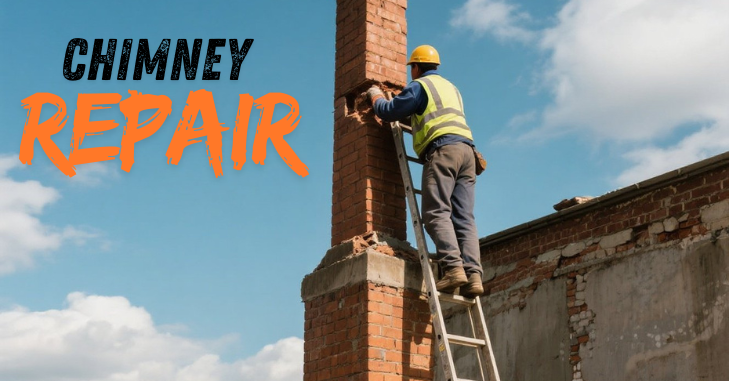
A well-maintained chimney helps prevent dangerous issues such as chimney fires, carbon monoxide poisoning, and structural damage to your home. Regular inspections and timely repairs can help ensure that your chimney is safe and functional. Recognizing the signs of wear and tear is essential for maintaining the integrity of your chimney system.
Signs Your Chimney Needs Repair
Homeowners should be vigilant for several signs that their chimney may need repair. Early detection of these issues can prevent more extensive damage and higher repair costs.
1. Cracks in the Masonry
One of the most visible signs of chimney damage is the presence of cracks in the masonry. These cracks can allow water to seep into the chimney, leading to further deterioration. Inspect the exterior of the chimney regularly for any visible cracks.
2. Chimney Leaks
Water leaks around the chimney can be a significant problem. If you notice water stains on your ceiling or walls near the chimney, this could indicate a leak. Leaks can result from damaged flashing, deteriorated mortar, or cracks in the chimney structure.
3. Spalling Bricks
Spalling occurs when bricks begin to flake or chip away, often due to moisture penetration and freeze-thaw cycles. This not only affects the chimney’s appearance but can also compromise its structural integrity.
4. Cracked or Missing Mortar Joints
The mortar joints between bricks can deteriorate over time. If you notice cracks or missing mortar, it’s essential to address these issues promptly to prevent further damage.
5. Rust or Corrosion on the Damper or Firebox
Rust or corrosion on the damper or firebox indicates moisture exposure, which can lead to more severe issues. If you see rust, it’s crucial to investigate the source of the moisture and repair it.
6. Smoke Backdrafting
If smoke is entering your home instead of exiting through the chimney, it may indicate a blockage or structural issue. This is a serious problem that requires immediate attention, as it can lead to health hazards.
7. Unpleasant Odors
A strong, smoky odor in your home, especially when the fireplace is not in use, may indicate creosote buildup or other issues in the chimney. Regular cleaning and inspection can help mitigate this problem.
8. Animal Activity
If you notice animals, such as birds or squirrels, entering or nesting in your chimney, it can lead to blockages or further damage. Installing a cap can help prevent animals from entering.
Average Costs of Chimney Repair

The cost of chimney repair can vary significantly based on several factors, including the type of repair needed, the materials used, and the geographical location of your home. On average, homeowners can expect to pay between $200 and $1,500 for various chimney repairs.
Breakdown of Costs
- Chimney Inspection: A professional chimney inspection typically costs between $100 and $250. This is a crucial first step that can help identify issues before they escalate.
- Chimney Cleaning (Sweeping): Regular cleaning is necessary to remove creosote buildup and debris. The average cost for chimney cleaning ranges from $100 to $300.
- Masonry Repair: Repairing cracks in the masonry or repointing mortar joints can cost between $500 and $1,500, depending on the extent of the damage.
- Flashing Repair or Replacement: Flashing is vital for preventing leaks around the chimney. Repairing or replacing flashing can cost between $200 and $500.
- Chimney Cap Installation: Installing a chimney cap to prevent water intrusion and animal entry typically costs between $100 and $300.
- Chimney Liner Replacement: A chimney liner protects the chimney from heat and corrosion. Replacing a chimney liner can cost between $1,500 and $4,000.
Factors Affecting Chimney Repair Costs
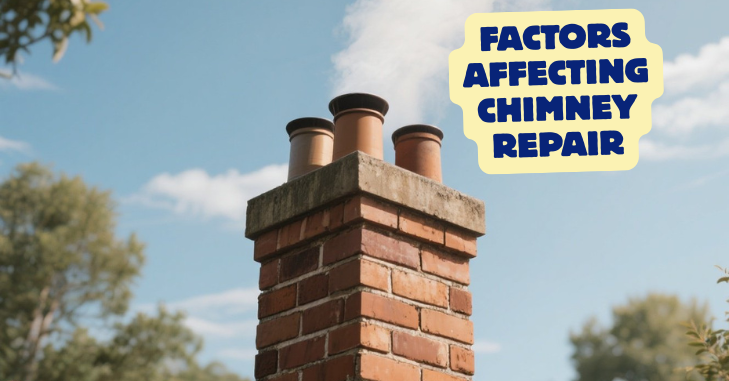
Several factors can influence the overall cost of chimney repairs, including:
- Extent of Damage: The more severe the damage, the higher the repair costs. Minor repairs will be less expensive than extensive structural work.
- Location: Labor and material costs vary significantly by region. Urban areas may have higher costs due to demand and cost of living.
- Type of Repair Needed: Different types of repairs have varying costs associated with them. Structural repairs will typically be more expensive than cosmetic fixes.
- Accessibility: If the chimney is difficult to access, it may require specialized equipment or additional labor, increasing costs.
- Materials Used: The choice of materials can significantly affect repair costs. High-quality materials may be more expensive but can provide long-term benefits.
DIY vs. Professional Chimney Repair
Homeowners often face the decision of whether to tackle chimney repairs themselves or hire a professional. Both options have their advantages and disadvantages.
DIY Chimney Repair
Pros:
- Cost Savings: DIY repairs can save on labor costs, making them more affordable for homeowners on a budget.
- Control Over the Process: Homeowners have complete control over the repair timeline and methods used.
Cons:
- Lack of Expertise: Without proper training, homeowners may not diagnose issues correctly or execute repairs effectively, leading to further damage.
- Safety Risks: Working on a chimney can pose safety risks, especially if heights or specialized equipment are involved.
- Increased Liability: If repairs are not done correctly, it can lead to dangerous situations, such as chimney fires or carbon monoxide leaks.
Professional Chimney Repair
Pros:
- Expertise: Professionals have the training and experience to identify issues and perform repairs correctly.
- Safety: Hiring professionals reduces the risk of accidents or safety hazards.
- Comprehensive Services: Professionals can provide a full range of services, including inspections, cleaning, and repairs.
Cons:
- Cost: Hiring professionals can be more expensive than DIY repairs.
- Scheduling: Homeowners may need to work around the availability of contractors, which can delay repairs.
Additional Information on Chimney Maintenance

Regular Inspections
It’s crucial to have your chimney inspected at least once a year, especially if you use your fireplace regularly. Inspections can identify potential issues early, preventing costly repairs down the line.
Cleaning
Regular chimney cleaning is vital to prevent creosote buildup, which can lead to chimney fires. Depending on usage, a chimney should be cleaned at least once a year.
Choosing the Right Professional
When hiring a chimney repair professional, it’s essential to do your homework. Look for certified and insured contractors with positive reviews. Ask for references and ensure they are experienced in chimney repair.
Importance of Proper Ventilation
Proper ventilation is critical for chimney function. Ensure that your chimney is correctly vented to prevent smoke backdrafting and carbon monoxide buildup.
Consider Upgrades
If your chimney is old or frequently requires repairs, consider upgrading to more modern materials or systems. This can enhance safety and efficiency, ultimately saving money in the long run.
Conclusion
Chimney repair is a vital aspect of home maintenance that should not be overlooked. Recognizing the signs that your chimney needs repair, understanding the associated costs, and knowing when to DIY versus hire a professional can help ensure the safety and efficiency of your chimney system. Regular inspections and maintenance can save homeowners significant money and prevent dangerous situations. By staying proactive, you can enjoy the warmth and comfort of your fireplace without the worry of chimney-related issues.
Want to know about Wireless Door Camera: A Comprehensive Guide to Choosing the Best Option Check out our Home Improvement category.
FAQs
The cost of chimney repairs varies depending on the severity of the damage and the type of repair. Minor repairs can range from $200 to $800, while major repairs like flue replacements or structural rebuilds can cost $1,000 to $5,000 or more. It’s essential to get multiple estimates for accurate pricing.
Some key repairs include chimney relining, masonry repair, and chimney repointing, among others. Understanding these can help you better maintain your chimney and recognize when to call a professional.
Five of the most common chimney issues are: creosote buildup, chimney obstruction, cracks in the flue, masonry deterioration, and a damaged chimney crown. Creosote is a byproduct of wood fires. It is a highly flammable mixture of soot and a brown or black tar-like substance.
Most chimney repointing or flashing repairs take 1–2 days. Full rebuilds may take longer depending on size and access.