
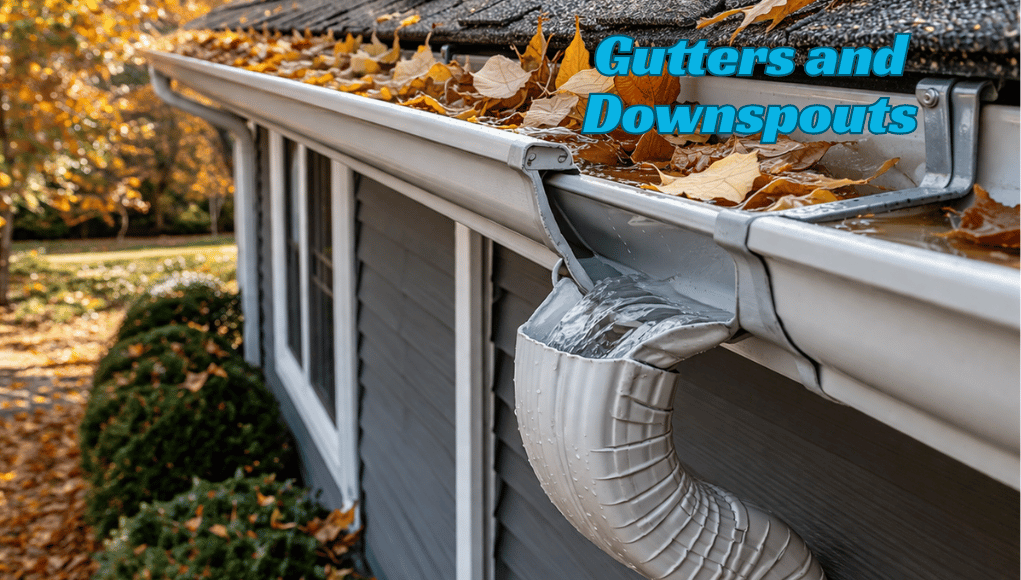
Properly functioning gutters and downspouts are much more than simple roof attachments; they are a vital part of your home defense system against water damage. These essential components work together to channel rainwater away from your roof, walls, foundation, and landscaping, preventing costly issues like basement flooding, soil erosion, and structural weakening.
Despite their importance, many homeowners overlook them until a problem arises, such as sagging gutters, leaks, or overflowing downspouts. Investing time in understanding, maintaining, and protecting your gutters and downspouts can save you significant repair costs and preserve the integrity and value of your home for years to come.
This comprehensive guide will walk you through everything you need to know about gutters and downspouts from installation and maintenance to repair and long-term protection strategies.
| gutters and downspouts | Overview |
| Role | Channel rainwater away from roofs, walls, foundations, and landscaping. |
| Importance | Protects the home from basement flooding, soil erosion, and structural damage. |
| Common Problems | Sagging gutters, leaks, overflowing downspouts. |
| Maintenance Benefits | Saves repair costs and preserves home integrity and value. |
| Action Steps | Regularly inspect, clean, maintain, and protect gutters and downspouts. |
What Are Gutters and Downspouts?
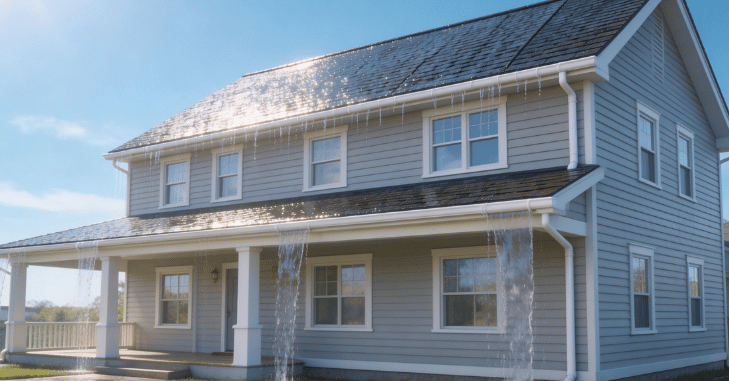
Gutters and downspouts are vital components of a home’s water management system, designed to collect rainwater from the roof and direct it safely away from the foundation, walls, and landscaping.
Gutters are horizontal channels that run along the edges of your roof, capturing rainwater and preventing it from spilling directly onto your home’s exterior surfaces. Downspouts are vertical pipes connected to the gutters that carry water down to the ground, ensuring it is
Regular inspection, cleaning, and maintenance of your gutters and downspouts not only protects your home but also extends the lifespan of your roofing, siding, and landscaping by managing water efficiently and reducing the risk of costly repairs.
Why are Gutters and Downspouts Important?
- Protect your entire home structure by directing rainwater away efficiently
- Prevent water from pooling around your foundation
- Protect siding, windows, and doors from water damage
- Reduce soil erosion around your home
- Help prevent basement flooding and leaks
- Extend the lifespan of your roof
- Minimize the risk of mold and mildew growth
- Prevent foundation cracks and structural damage
- Protect landscaping from water overflow and damage
Types of Gutters and Downspouts

Choosing the right materials and styles for gutters and downspouts is essential for ensuring long-term durability, efficient water flow, and overall performance. Different options are available to suit various budgets, climates, and home designs.
Common Gutter Materials
Aluminum Gutters
Aluminum gutters are one of the most popular choices for homeowners due to their lightweight nature and resistance to rust. They are affordable, easy to install, and available in a wide range of colors to match different home exteriors.
Vinyl Gutters
Vinyl gutters are a budget-friendly option that is simple to install, making them ideal for DIY projects. However, they may not perform well in extreme weather conditions, as they can crack in very cold temperatures or warp in high heat.
Steel Gutters
Steel gutters are known for their strength and durability, making them suitable for areas with heavy rainfall or snow. However, they require proper coating and maintenance to prevent rust and corrosion over time.
Copper Gutters
Copper gutters offer a premium, long-lasting solution with an attractive, elegant appearance. While they are more expensive than other materials, they require minimal maintenance and develop a unique patina over time.
Gutter Styles
K-Style Gutters
K-style gutters are the most commonly used option in residential homes. Their shape allows them to hold more water, making them highly efficient for managing heavy rainfall.
Half-Round Gutters
Half-round gutters have a traditional, rounded shape and are often found in older or historic homes. They provide a classic look but typically have a lower water capacity compared to K-style gutters.
Downspout Types
Rectangular Downspouts
Rectangular downspouts are the most common type used in modern homes. They are efficient at directing water away from the structure and are compatible with most gutter systems.
Round Downspouts
Round downspouts are usually paired with half-round gutters. They offer a more decorative appearance and are commonly used in homes with traditional or vintage designs.
Gutter and Downspout Installation
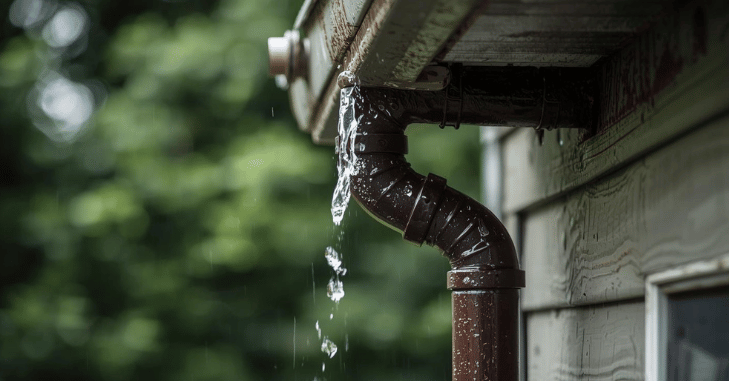
Proper installation ensures efficient water flow and long-term performance.
Planning and Measurement
- Measure roof edges accurately
- Determine the number of downspouts needed
Setting the Slope
- Gutters should slope slightly toward downspouts
- Recommended slope: 1/4 inch per 10 feet
Mounting Gutters
- Attach brackets securely to fascia boards
- Ensure gutters are level and stable
Installing Downspouts
- Connect to gutter outlets
- Direct water at least 3–5 feet away from the foundation
Sealing Joints
- Use waterproof sealant to prevent leaks
Installation Tips
- Avoid placing downspouts near walkways
- Use splash blocks or extensions for better drainage
- Ensure proper spacing between brackets for proper support
Maintenance Tips for Long-Term Performance
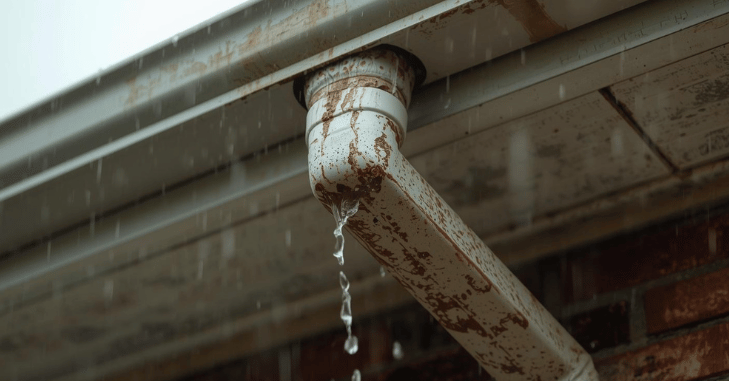
Routine Maintenance Checklist
- Clean gutters at least twice a year
- Remove leaves, dirt, and debris
- Check for standing water or sagging sections
- Inspect joints and seams for leaks
Seasonal Maintenance
- Spring: Remove debris from winter buildup
- Fall: Clear leaves to prevent clogging
- Winter: Watch for ice dams and blockages
Helpful Tools
- Gutter scoop
- Garden hose
- Ladder with stabilizer
- Protective gloves
Common Gutter and Downspout Problems
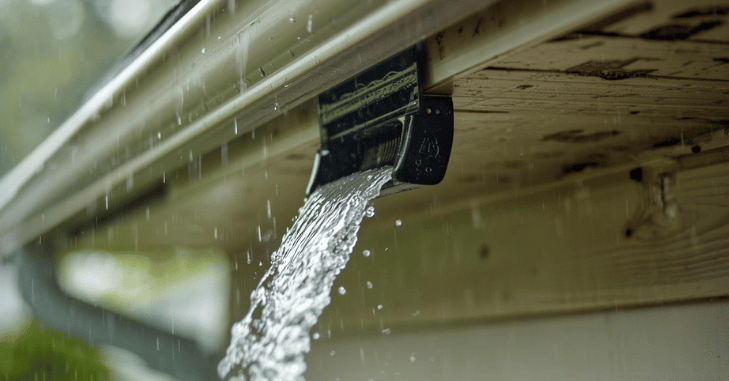
Over time, gutters and downspouts can develop several issues that affect their performance and efficiency. Common problems include clogs and blockages caused by leaves, dirt, and debris, which can lead to overflow and water damage. Leaks and cracks often occur at joints or damaged sections, allowing water to drip near the foundation and create structural risks.
Sagging gutters, usually due to loose brackets or excess weight, can disrupt proper water flow, while improper drainage caused by incorrect slope or short downspouts can result in water pooling around the home instead of being directed safely away.
Gutter Repair Solutions
Fixing Leaks
Leaks in gutters can cause water to drip near the foundation, leading to potential damage. To fix leaks, apply a waterproof sealant to the affected areas. If the damage is extensive, replacing the damaged gutter sections may be necessary to ensure a proper seal.
Reattaching Loose Gutters
Loose gutters and downspouts can disrupt proper water flow and cause sagging. To address this, tighten existing brackets or replace any that are broken or worn out. It’s important to check the alignment of your gutters and downspouts to ensure water flows correctly away from your home.
Clearing Clogs
Clogs from leaves, dirt, and debris can lead to overflow and water damage. Remove blockages using a hose, plumber snake, or similar tools. To reduce future buildup, consider installing gutter guards that prevent debris from accumulating.
Extending Downspouts
Downspouts that discharge water too close to your home can cause foundation issues. Adding downspout extensions helps direct water farther away from the structure, protecting your foundation and landscaping.
Water Drainage Solutions
- Downspout Extensions: Safely channel rainwater away from your home’s foundation to prevent water damage.
- Splash Blocks: Simple yet effective blocks that reduce soil erosion around downspouts.
- French Drains: Underground trench systems that capture and redirect excess water away from problem areas.
- Dry Wells: Subsurface structures that collect runoff and gradually disperse it into the ground, keeping your yard dry.
Leak Prevention Strategies
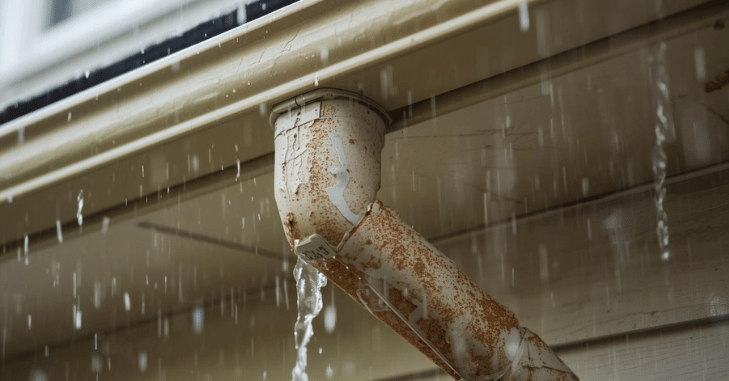
Preventing leaks is often easier and far more cost-effective than repairing water damage after it occurs. To minimize the risk, regularly inspect your gutters for signs of wear or blockage, ensure all joints and seams are properly sealed, and replace any damaged sections without delay. Additionally, investing in high-quality gutter systems can provide long-lasting protection and reduce the likelihood of leaks over time.
Foundation Protection
How Gutters Protect Foundations
- Direct water away from the base of the house
- Prevent soil expansion and contraction
- Reduce risk of cracks and structural damage
Warning Signs of Foundation Issues
- Cracks in walls or floors
- Uneven surfaces
- Water is pooling near the house
Clog Removal and Prevention
How to Remove Clogs
Clogged gutters can cause overflow and water damage if not addressed promptly. Start by scooping out leaves, twigs, and other debris manually. Next, flush the gutters with water to clear remaining dirt. For stubborn blockages, a pressure nozzle can help dislodge debris effectively.
Prevention Tips
Preventing clogs is key to maintaining a healthy gutter system. Consider installing gutter guards or screens to keep leaves and debris. Regularly trim nearby trees to reduce falling leaves and establish a routine cleaning schedule to ensure your gutters remain clear and functional year-round.
Rainwater Management and Eco-Friendly Solutions
Modern gutter systems can also support sustainable living.
Rainwater Collection
- Use rain barrels to collect water
- Reuse for gardening and landscaping
Benefits of Rainwater Management
- Reduces water bills
- Conserves natural resources
- Prevents excess runoff
Cost and ROI
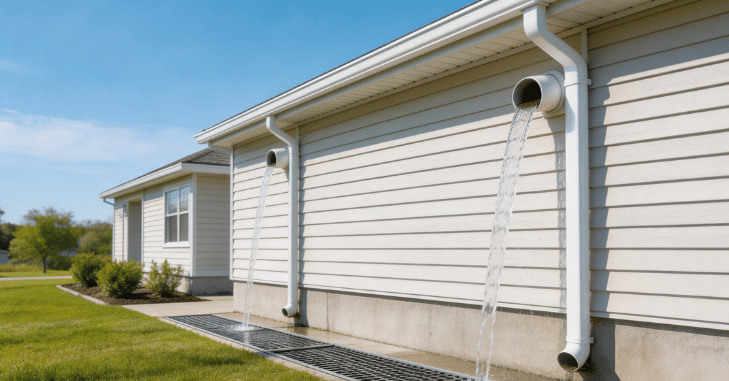
The cost of installing gutters and downspouts varies depending on materials and home size.
Average Costs
- $5 to $15 per linear foot (materials and installation)
- Higher for premium materials like copper
Return on Investment
- Prevents expensive repairs
- Increases home value
- Enhances curb appeal
Conclusion
Keeping your gutters and downspouts clear and well-maintained is crucial for protecting your home from water damage, foundation issues, and costly repairs. Regular inspection and cleaning help prevent clogs caused by leaves, twigs, and debris, while timely removal ensures that rainwater flows smoothly away from your home.
Implementing preventive measures, such as installing gutter guards, trimming nearby trees, and maintaining proper alignment, can significantly reduce the risk of blockages and leaks. By staying proactive with your gutters and downspouts, you not only safeguard your home’s foundation and landscaping but also extend the lifespan of your gutter system, ensuring it continues to function efficiently for years to come.
With the right care and smart upgrades like gutter guards and rainwater management systems, your gutter system can provide reliable performance for years to come while enhancing your home’s safety, efficiency, and overall value.
Want to know about How To Install Central Heating and Air Conditioning: A Complete Homeowner’s. Check out our Home Improvement category.
FAQs
A pipe used to transport rainfall from a rain gutter is called a downspout, waterspout, downpipe, drain spout, drainpipe, roof drainpipe, rone, or leader.
Spouting on your roof, also known as guttering, is crucial to maintaining the safety and dryness of your house
Types and Sizes of Australian Gutters – Vivify Roofing – Roofing…A gutter is a channel, usually made of plastic or metal, that is placed along the street side or roof’s eaves to collect and drain rainfall and prevent structural damage.
Based on how they flow, drainage patterns can be classified as dendritic, trellis, radial, or rectangular.