
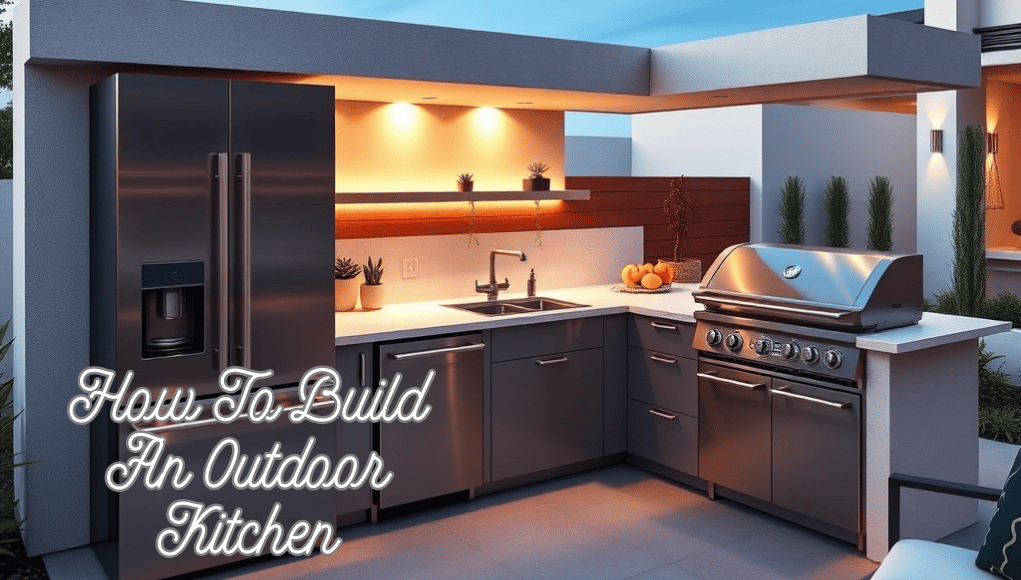
How to Build an Outdoor Kitchen?
Building an outdoor kitchen is an exciting way to expand your living space, entertain guests, and enhance your backyard’s functionality and style. Learning How To Build An Outdoor Kitchen begins with proper planning, taking into account available space, budget, and desired features.
Careful consideration of layout, utilities, and design ensures a seamless flow between cooking, prep, and dining areas, while incorporating specialized elements like fireplaces, showers, cat houses, pizza ovens, and fire pits elevates the overall experience.
By understanding the essentials of How To Build An Outdoor Kitchen, homeowners can create a functional, visually appealing, and durable outdoor space tailored to their lifestyle, providing a perfect combination of comfort, convenience, and entertainment.
| Category | Key Elements | Purpose / What It Adds |
| How to Build an Outdoor Kitchen: Basics | Planning, layout, utilities, design | Ensures smooth cooking, prep, and dining flow |
| Core Components | Grill station, prep area, storage, sink, refrigeration | Foundation of a functional outdoor kitchen |
| Fireplace | Masonry, prefabricated, gas | Warmth, ambiance, focal point, light cooking |
| Outdoor Shower | Standalone, integrated, portable | Rinsing after swimming/gardening; added luxury |
| Cat House | Weatherproof, raised, ventilated, insulated | Safe, comfortable pet space near the kitchen |
| Pizza Oven | Wood-fired, gas, electric | Authentic pizza, rustic charm, extra cooking heat |
| Fire Pit | Wood-burning, gas, propane | Gathering space, warmth, and visual appeal |
| Materials | Granite, concrete, stainless steel, stone, pavers | Durability, weather resistance, and low maintenance |
| Estimated Costs | $100–$6,000+ depending on feature | Helps budget and prioritize installations |
| Maintenance | Cleaning, sealing, checking plumbing, covering appliances | Extends lifespan and performance |
| Safety | Ventilation, GFCI outlets, heat clearance, supervision | Ensures safe operation of all components |
Essential Components of an Outdoor Kitchen
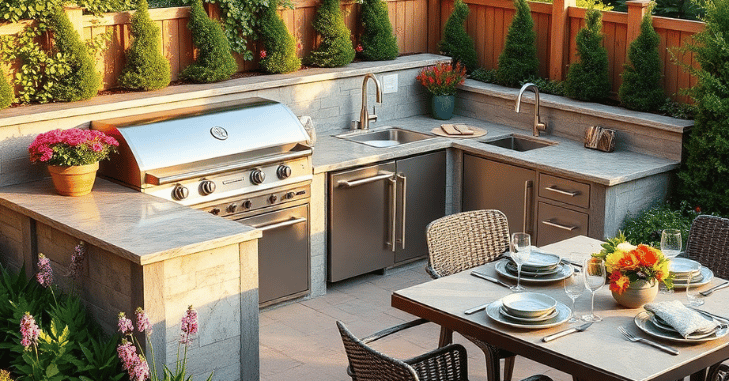
An outdoor kitchen can include various elements depending on your lifestyle and space. Popular components are:
- Grill station: Gas, charcoal, or hybrid grills as the centerpiece.
- Prep area: Countertops for chopping, mixing, and serving.
- Storage: Cabinets or shelves for utensils, cookware, and condiments.
- Sink & plumbing: For washing hands, vegetables, and dishes.
- Refrigeration: Outdoor refrigerators or coolers to keep drinks and perishables cold.
Adding specialized features like pizza ovens, fire pits, and even showers can elevate functionality and comfort.
Building a Fireplace in Your Outdoor Kitchen
Fireplaces
Fireplaces are an essential feature when learning How To Build An Outdoor Kitchen because they provide both warmth and a focal point for outdoor gatherings. A well-designed fireplace not only enhances the visual appeal of your backyard but also creates a cozy atmosphere for family and friends.
Types of Outdoor Fireplaces
When designing an outdoor kitchen, it’s important to choose a fireplace that suits your space and needs. Traditional masonry fireplaces are built with stone or brick, offering durability and a timeless aesthetic.
Prefabricated metal fireplaces are portable and easier to install, making them ideal for flexible layouts. Gas fireplaces, on the other hand, provide a clean-burning option that is convenient and low-maintenance, perfect for modern outdoor kitchen setups.
Construction Tips for Fireplaces
Proper construction ensures safety and long-term usability. Start with a level foundation that allows proper drainage to prevent water damage. Use fire-rated bricks or stone for the main structure to withstand heat.
Ensure adequate ventilation and fireproof surroundings to maintain safety. When arranging your outdoor kitchen, position seating around the fireplace to encourage social interaction and maximize comfort.
Benefits of Including a Fireplace
Incorporating a fireplace into your outdoor kitchen offers multiple benefits. It enhances the overall aesthetic and creates a natural gathering spot. It provides warmth during cooler evenings, extending the usability of your outdoor space throughout the year.
Additionally, fireplaces can serve as a secondary cooking option, allowing you to roast marshmallows, toast bread, or grill small items. Including a fireplace is a practical and stylish component in any plan for How To Build An Outdoor Kitchen.
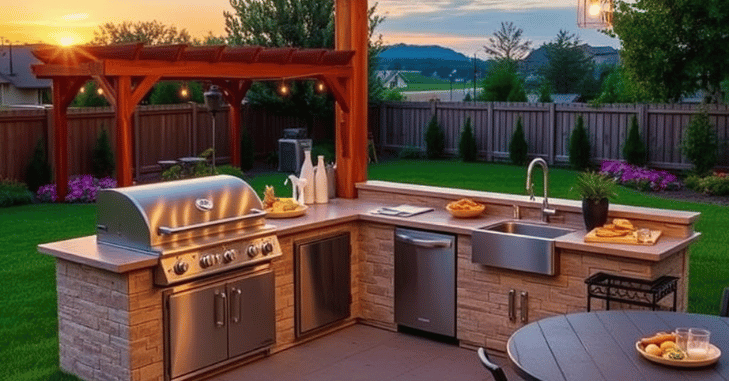
Incorporating an Outdoor Shower
Outdoor Showers
- Purpose: Ideal for rinsing off after swimming, gardening, or pet care; adds a touch of luxury to your outdoor kitchen area.
Design Options
- Standalone shower: Simple setup with privacy walls.
- Integrated shower: Built into the outdoor kitchen structure with plumbing lines.
- Portable shower: Easy to move and install without plumbing.
Materials and Installation
- Use waterproof materials such as tile, stone, or composite decking.
- Install rust-resistant fixtures for durability.
- Ensure adequate drainage to prevent water pooling or erosion.
Benefits
- Keep indoor bathrooms cleaner.
- Convenient for rinsing pets or kids.
- Adds a spa-like atmosphere to your backyard.
Cat House Integration
Including a cat house near your outdoor kitchen is a great way for pet lovers to keep their feline friends comfortable while maintaining the area’s functionality. When designing a cat house, consider a small, weatherproof structure with proper ventilation, or integrate it into a wall or under countertops for a more hidden look.
Raising the cat house off the ground helps prevent dampness and keeps pests away. Materials should be durable and suitable for outdoor use, such as treated wood, with insulated interiors to protect against extreme temperatures. Adding comfortable, easy-to-clean bedding ensures your pets stay cozy.
Pizza Ovens in Outdoor Kitchens
A pizza oven is a must-have for food enthusiasts. It can also double as a bread-baking oven and adds rustic charm.
Types of Pizza Ovens
- Wood-fired ovens: Classic, impart unique flavor, but require more maintenance.
- Gas pizza ovens: Convenient, and temperature control is easier.
- Electric ovens: Small, portable, and ideal for patios with limited space.
Placement Tips
- Place the oven on a stable, fireproof base.
- Ensure a safe distance from flammable materials.
- Consider a cover or roof for protection from the weather.
Benefits
- Makes authentic, restaurant-quality pizza at home.
- Enhances the outdoor kitchen’s visual appeal.
- It can serve as a secondary heat source for cooking.
Fire Pits for Gathering
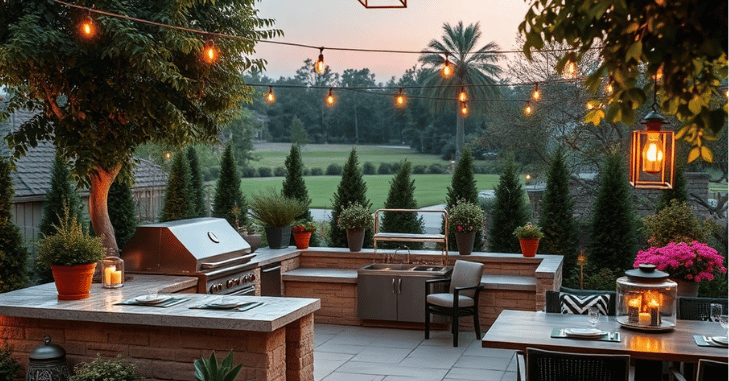
Fire Pits
Fire pits are an excellent addition to any outdoor kitchen, providing warmth, ambiance, and a social gathering space. Whether integrated into your outdoor kitchen design or positioned as a separate area, fire pits create a cozy environment for entertaining guests and relaxing outdoors.
Types of Fire Pits
When planning a fire pit for your outdoor kitchen, there are several options to choose from. Wood-burning fire pits offer a traditional feel with smoke and aroma, though they require more maintenance. Gas fire pits provide a clean-burning, easy-to-use option with adjustable flame control for convenience.
Propane or natural gas fire pits are portable and ideal for smaller spaces, offering flexibility in placement. Choosing the right type depends on your design goals, space, and maintenance preferences.
Design Considerations for Fire Pits
When building a fire pit, consider whether a built-in or freestanding design works best for your layout. Ensure surrounding seating is arranged for comfort and easy social interaction. Using non-combustible materials such as stone, concrete, or metal is crucial for safety and durability. Proper planning and design are key steps in How to Build an Outdoor Kitchen that is both functional and visually appealing.
Benefits of Fire Pits
A well-designed fire pit enhances your outdoor kitchen by creating a cozy atmosphere for gatherings and a natural focal point for your backyard. Fire pits not only provide warmth but also increase property value and overall appeal. By thoughtfully integrating a fire pit into your outdoor kitchen design, you elevate both functionality and aesthetic charm, making your backyard a welcoming space for family and friends.
Materials and Finishes for Durability
The longevity of your outdoor kitchen depends on the materials you choose. Consider:
- Countertops: Granite, concrete, stainless steel, or tile.
- Cabinets: Weatherproof wood, powder-coated aluminum, or stainless steel.
- Flooring: Stone, pavers, stamped concrete, or composite decking.
- Roofing/covering: Pergolas, retractable awnings, or hardtop canopies.
Tips
- Use materials rated for outdoor use.
- Ensure surfaces are easy to clean and maintain.
- Match aesthetics to your home for cohesion.
Budget and Cost Estimates
| Component | Estimated Cost |
| Basic Grill Station | $1,000–$3,000 |
| Fireplace | $1,500–$5,000 |
| Outdoor Shower | $500–$2,000 |
| Cat House | $100–$500 |
| Pizza Oven | $1,000–$3,500 |
| Fire Pit | $300–$2,000 |
| Countertops & Cabinets | $2,000–$6,000 |
| Flooring & Pergola | $1,500–$5,000 |
Maintenance Tips for Outdoor Kitchens
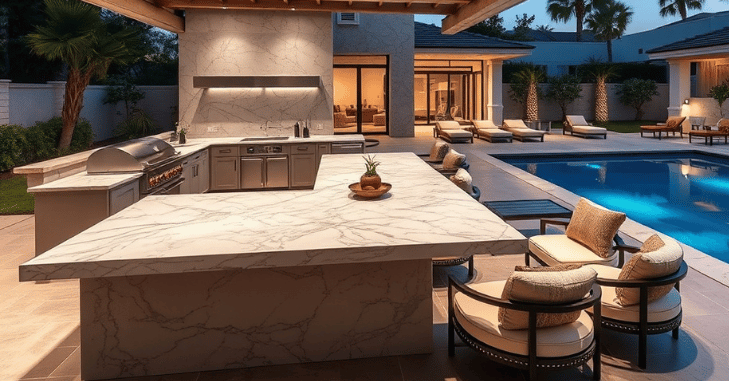
Proper maintenance extends the lifespan of your outdoor kitchen components.
- Clean grills and pizza ovens after each use to prevent grease buildup.
- Inspect plumbing for leaks in sinks or showers.
- Protect wood and metal surfaces with sealants or rust inhibitors.
- Cover appliances during bad weather.
- Inspect fire pits and fireplaces for debris and soot.
Safety Considerations
Safety is crucial when building and using an outdoor kitchen:
- Keep flammable materials away from grills, fire pits, and ovens.
- Install GFCI outlets for water-prone areas.
- Maintain proper ventilation for gas appliances.
- Supervise children and pets near heat sources.
- Store tools and utensils safely.
Conclusion
Creating a functional and stylish outdoor kitchen is a fulfilling project that enhances both your backyard and your home’s overall value. By carefully planning each element, selecting durable materials, and thoughtfully integrating features such as fireplaces, showers, cat houses, pizza ovens, and fire pits, you can design a space that suits your lifestyle and entertains guests with ease.
Following proper maintenance routines and safety measures ensures longevity and usability for years to come. Learning how to build an outdoor kitchen allows homeowners to maximize space, improve convenience, and craft an inviting environment that combines practicality with aesthetic appeal, making every outdoor gathering enjoyable and memorable.
Want to know about Benefits of Dry Brushing: Unlocking the Full Potential for Health, Skin Check out our Home Improvement category.
FAQs
Although an outdoor kitchen does not technically require a permit, you will probably need one if you intend to do major plumbing or electrical work.
It could take up important yard space to have an outdoor kitchen.
Every kitchen should contain three work areas that are at least four feet long, according to the 3×4 Kitchen Rule.