

Saltburn Outfits
In Saltburn Outfits, fashion transcends its traditional role as mere visual appeal—it becomes a language of identity, privilege, and transformation. The film intricately weaves costume design into its storytelling, using clothing to reflect the characters’ psychological journeys and social dynamics.
Through Oliver Quick’s metamorphosis from an insecure outsider to a morally conflicted social climber, and Felix Catton’s unwavering display of aristocratic affluence, Saltburn explores the tension between authenticity and aspiration.
Each wardrobe choice, accessory, and color palette serves as a mirror of inner conflict, exposing the allure and corruption embedded within the pursuit of wealth. Ultimately, fashion in Saltburn is not just about what the characters wear—it is about who they become when clothed in the trappings of desire, privilege, and deception.
| Section | Main Focus | Key Points | Symbolism |
| The Narrative and Its Characters | Storyline overview | Student, entangled in Felix Catton’s luxurious world. | Costumes highlight class divide. |
| Oliver Quick: The Outsider’s Transformation | Character evolution through clothing | Simple outfits → shifts to bold, luxurious styles. | Moral decline and loss of authenticity. |
| Felix Catton: The Epitome of Privilege | Representation of elite lifestyle | Wears designer, perfectly tailored, colorful outfits. | Confidence, charisma, and class superiority. |
| The Role of Costumes in Storytelling | Function of fashion in narrative | Character motivations and internal states. | Storytelling tool |
| Visual Symbolism and Character Development | Clothing as a reflection of psychology | Seduction by wealth and moral complexity. | Costumes foreshadow transformation and unraveling. |
| Thematic Depth Through Fashion | Fashion as thematic reinforcement | Elegance and decay. | Highlights the tension between glamour and moral corruption. |
| Accessories: The Finishing Touch | Symbolism of jewelry, handbags, and shoes | Felix’s bold pieces and Oliver’s subtle accessories | Mark’s social identity. |
| Gender Dynamics in Fashion | Portrayal of gender expression | Both men and women use fashion for self-expression and social positioning. | Challenges stereotypes |
| The Dark Side of Elegance | Wealth’s moral consequences | Oliver’s rise and fall | Visual metaphor for ambition, deception, and moral cost. |
| Reflection of Contemporary Society | Societal commentary | Modern obsession, wealth, and image. | Encourages reflection |
| Conclusion | Final message | Fashion is both beauty and critique. | The fine line between sophistication and decay. |
The Narrative and Its Characters
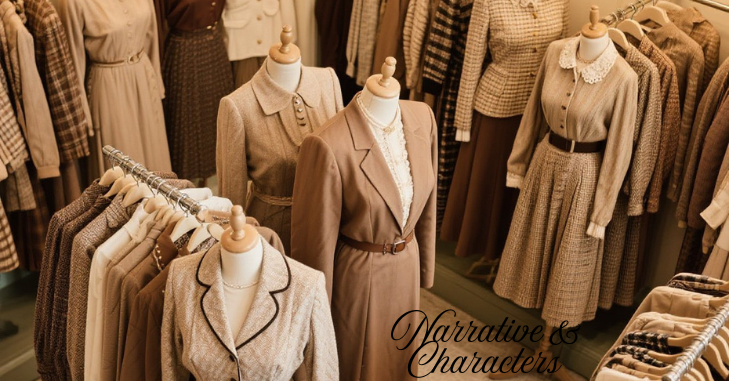
At its core, “Saltburn” tells the story of Oliver Quick, a scholarship student who becomes enmeshed in the glamorous world of his wealthy classmate, Felix Catton.
As Oliver navigates this opulent lifestyle, the film meticulously contrasts his humble beginnings with the extravagant lives of the elite. The characters’ wardrobes serve as an extension of their identities and ambitions, illustrating their socio-economic backgrounds and personal journeys.
Oliver Quick: The Outsider’s Transformation
The Outsider’s Modest Beginnings
Oliver embodies the archetype of the outsider, initially depicted in understated clothing that reflects his modest upbringing. His wardrobe consists of simple, muted tones and classic silhouettes—pieces that are functional yet lack the flair of his wealthier peers. This sartorial simplicity effectively underscores his initial discomfort within the elite circles he aspires to penetrate. As the narrative unfolds, Oliver’s clothing begins to evolve, mirroring his increasing immersion into the world of affluence.
Transformation Through Attire: The Allure and Corruption of Wealth
In the film’s pivotal moments, Oliver’s outfits transition from conservative attire to bold, luxurious ensembles. Rich fabrics, striking colors, and intricate designs become emblematic of his transformation. This evolution is not merely superficial; it represents his internal struggle between authenticity and the seductive pull of wealth. The clothing he chooses becomes a visual representation of his moral descent, a poignant commentary on how societal pressures can reshape one’s identity.
Felix Catton: The Epitome of Privilege
In stark contrast to Oliver, Felix Catton is the embodiment of privilege and charisma. His wardrobe is a lavish display of designer labels and high fashion, showcasing the latest trends and timeless classics that signal his family’s affluence. Felix’s outfits often feature vibrant colors and bold patterns, reflecting his extroverted personality and confidence. The meticulous tailoring of his clothing further emphasizes his status, projecting an image of effortless sophistication.
Felix’s fashion choices serve to reinforce his position within the social hierarchy, contrasting sharply with Oliver’s evolving style. The opulence of his wardrobe not only highlights his wealth but also creates a sense of inaccessibility for Oliver and, by extension, the audience. This disparity in fashion choices accentuates the themes of class and aspiration that permeate the film, illustrating the chasm between the privileged and those who yearn for acceptance.
The Role of Costumes in Storytelling
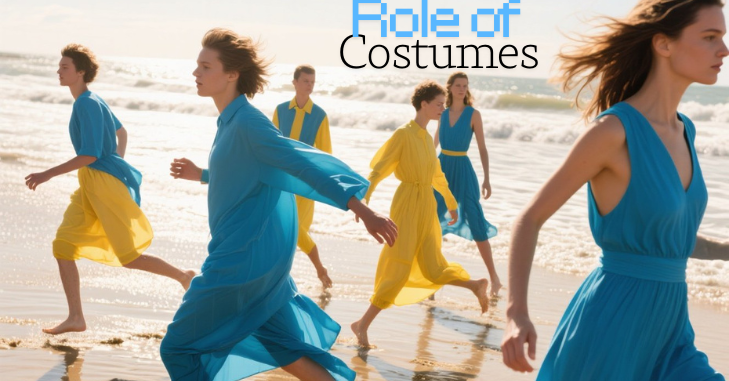
Costume design in “Saltburn” is not merely about fabric and fashion; it is a powerful storytelling tool that conveys character motivations, societal norms, and the psychological complexities of wealth. The film’s costume designer meticulously curated each outfit to enhance the narrative and deepen the audience’s understanding of the characters.
Visual Symbolism and Character Development
Each outfit worn by the characters serves as a visual cue to their psychological states and transformations. For instance, as Oliver becomes more entrenched in the elite lifestyle, his clothing becomes increasingly extravagant.
This shift not only reflects his desire for acceptance but also his moral ambiguity as he navigates the darker aspects of privilege. The use of rich textures and bold colors in his later outfits symbolizes his seduction by wealth, ultimately leading to a climactic moment of self-realization.
Conversely, Felix’s wardrobe remains consistently opulent, reinforcing his unwavering confidence and sense of entitlement. However, as the story progresses, subtle changes in his clothing—perhaps a darker palette or more somber fabrics—mirror the moral complexities that begin to surface. These nuanced costume choices serve to foreshadow the unraveling of both characters, highlighting the film’s exploration of the consequences of ambition and desire.
Thematic Depth Through Fashion
The themes of “Saltburn” are intricately woven into the fabric of its costumes. The film delves into the allure of elegance and the dark side of wealth, and the fashion choices reflect this duality. Characters often don outfits that exude beauty and sophistication, yet the underlying implications of their choices hint at fragility and moral decay.
This interplay between elegance and darkness is particularly poignant, serving as a reminder that beneath the surface of glamour lies a complex web of desires, fears, and ethical dilemmas. The lavish settings in which these outfits are displayed amplify their significance. The opulent estates, exclusive parties, and luxurious environments serve as backdrops that enhance the impact of the characters’ wardrobes.
Each location is meticulously designed to mirror the extravagance of the clothing, creating a sense of immersion that draws the audience into the world of the elite. This visual harmony between setting and costume reinforces the film’s themes, allowing viewers to experience the intoxicating allure of wealth and the moral ambiguities that accompany it.
Accessories: The Finishing Touch
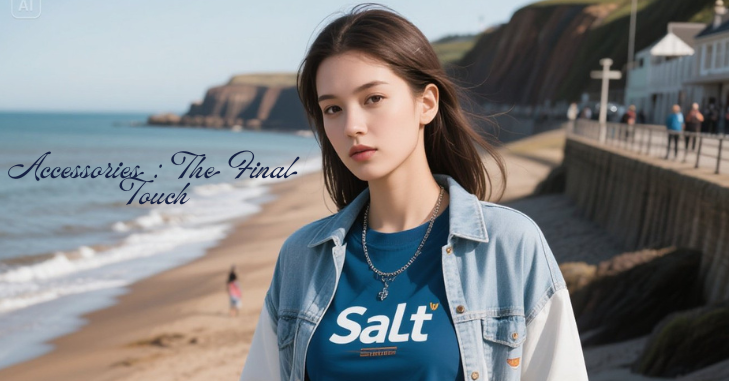
While the primary garments play a significant role in defining the characters, accessories serve as crucial extensions of their identities. In “Saltburn,” jewelry, handbags, and footwear are not mere embellishments; they are integral to the characters’ overall presentation and self-perception.
Felix’s Statement Pieces
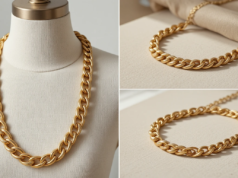
Felix Catton’s accessories are bold and eye-catching, often designed to make a statement. Oversized rings, elaborate necklaces, and high-end watches adorn his outfits, signaling his desire for attention and validation. These accessories are more than just fashion items; they are symbols of his wealth and social status, reinforcing his position as the center of attention within his social circle.
The choice of accessories also reflects Felix’s personality—each piece is carefully curated to showcase his confidence and flamboyance. By contrast, Oliver’s accessories tend to be more understated, signaling his initial hesitance and the internal conflict he faces as he navigates the elite world.
Gender Dynamics in Fashion
·Exploration of gender dynamics is reflected through its use of accessories.
·Female characters in “Saltburn” wear intricate jewelry and fashionable handbags that not only enhance their outfits but also signify their social status.
·It avoids portraying women merely as objects of beauty; instead, their fashion choices reveal their ambitions, struggles, and complexities.
·This nuanced depiction of gender in fashion challenges traditional stereotypes.
.Both male and female characters are shown as equally defined by their clothing and style.
·The film blurs the boundaries between masculinity and femininity through fashion.
· It presents fashion as a powerful medium for self-expression, free from rigid gender norms.
·This progressive portrayal strengthens the film’s commentary on societal expectations and the fluidity of identity.
The Dark Side of Elegance
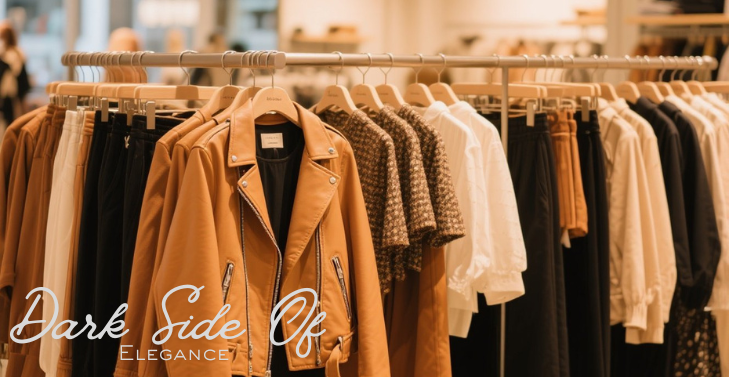
As “Saltburn” unfolds, the initial allure of wealth and privilege gives way to a darker narrative that reveals the moral complexities of ambition and desire. The film serves as a cautionary tale about the price of success and the lengths to which individuals will go to secure their place within a privileged society.
Consequences of Desire
The film’s climax poignantly illustrates the consequences of ambition, as Oliver’s transformation culminates in a moment of reckoning. The lavish outfits that once symbolized his ascent become tainted with moral ambiguity, serving as reminders of the sacrifices he has made in pursuit of acceptance. This transformation highlights the film’s central thesis: that the pursuit of wealth and status often comes at a steep cost, leading to unforeseen consequences and moral dilemmas.
The dark side of elegance is further emphasized through the film’s visual motifs. The contrast between the beauty of the characters’ clothing and the ugliness of their actions creates a dissonance that resonates with the audience.
Reflection of Contemporary Society
“Saltburn” serves as a mirror to contemporary society, where the allure of wealth and status is omnipresent. The film’s exploration of the dark side of elegance resonates with audiences, particularly in an age driven by social media and the constant comparison of lifestyles.
The characters’ fashion choices reflect societal pressures to conform to ideals of beauty and success, prompting viewers to reflect on their own aspirations and the sacrifices made to achieve them. In this context, the film’s outfits become tools for social commentary, inviting audiences to consider the implications of their own desires and the lengths they are willing to go to attain their dreams. The characters’ journeys serve as cautionary tales, illustrating the fragility of identity and the moral compromises that often accompany the pursuit of success.
Conclusion
In conclusion, “Saltburn” is a masterclass in the use of fashion as a narrative device, weaving together themes of wealth, privilege, and the moral complexities of desire. The meticulously crafted wardrobes of its characters serve not only to enhance their identities but also to delve into the darker aspects of elegance and ambition.
Through the lens of costume design, the film invites viewers to explore the intricate interplay between appearance and reality, ultimately challenging societal norms and expectations. As audiences are drawn into the opulent world of “Saltburn,” they are confronted with the complexities of human nature and the choices that define us.
The film’s exploration of fashion transcends mere aesthetics, offering a profound commentary on the allure of wealth and the sacrifices that often accompany the pursuit of status. Through its richly detailed wardrobe and compelling storytelling, “Saltburn” stands as a poignant reflection of contemporary society, reminding us of the fine line between elegance and moral decay.
Want to know about Reviving the Y2K Popstar Outfit: A Bold Return of Iconic 2000s Fashion, Style Trends, and Celebrity-Inspired Statements Check out our Fashion category.
FAQs
The fashion style in Saltburn blends British aristocratic elegance with dark academia and Y2K vintage elements, reflecting themes of wealth, desire, and deception.
The clothing often symbolizes power, privilege, transformation, and class disparity. For example, Oliver’s wardrobe evolution mirrors his psychological and social journey throughout the film.
Fans often praise Felix Catton for his effortlessly rich prep style and Venetia Catton for her boho-luxury aesthetic. However, Oliver’s transformation is the most symbolic and fashion-evolving.