


If you searched for the SPWM meaning in text, the most common answer is “Stop Playing With Me.” People use the abbreviation when they think someone is joking, teasing, exaggerating, flirting, or saying something hard to believe. The emotional meaning can range from amused surprise to genuine frustration, so the context matters. Elsewhere on the site: HYB in Text.
Quick answer: SPWM usually means “Stop Playing With Me” in casual texts, DMs, and social comments. Depending on the conversation, it can show disbelief, teasing, surprise, frustration, or playful flirting. If the message is about electronics or engineering, SPWM can instead mean “Sinusoidal Pulse Width Modulation,” so context is the deciding factor.
| Quick fact | What it means |
|---|---|
| Most common casual meaning | Stop Playing With Me |
| Basic purpose | Reacting to teasing, disbelief, surprise, or frustration |
| Common settings | Text messages, group chats, TikTok, Snapchat, Instagram, and DMs |
| Possible tone | Playful, skeptical, excited, flirty, irritated, or serious |
| Workplace use | Usually too informal for professional messages |
| Technical meaning | Sinusoidal Pulse Width Modulation |
| Best decoding rule | Read the message before and after the abbreviation |
Key takeaways: The casual meaning is usually a request to stop joking or prove you’re serious. It does not automatically signal anger or flirting. Look at punctuation, emojis, your relationship with the sender, and the subject of the conversation before deciding what tone was intended.
SPWM Meaning in Text: The Simple Definition
SPWM stands for “Stop Playing With Me” in most current casual-texting references. The phrase works much like saying “Are you serious?” or “Quit messing with me” in spoken American English. People can use it as a quick reaction without typing the full phrase.
The words don’t always mean someone is literally accusing another person of playing games. A friend may use them after hearing exciting news that sounds almost unbelievable. During an argument, though, the same abbreviation can become a demand for honesty.
How the Tone Changes With Context
The biggest mistake is assigning one emotion to the abbreviation every time you see it. A crying-laughing emoji can turn the message into friendly disbelief, while a period and no emoji may make it feel much more serious. Recent slang references also describe playful, skeptical, frustrated, and flirty uses rather than one fixed emotional meaning.
Here are three common examples that show how much the surrounding conversation matters. The letters stay the same, but the ssender’sintention changes with the situation. Reading the previous message usually tells you more than the acronym alone.
| Text example | Likely tone | Plain-English meaning |
|---|---|---|
| “You got front-row tickets? SPWM ” | Excited disbelief | “Are you serious? No way.” |
| “SPWM, you know that isn’t true.” | Playful | “Stop messing with me.” |
| “SPWM. Tell me what happened.” | Serious or irritated | “Quit avoiding the truth.” |
A flirty version works in much the same way. Someone might respond after receiving an unexpected compliment or a bold romantic comment. The slang doesn’t mean “I like you,” but an already flirty conversation can give it that energy.
What It Means on TikTok, Snapchat, Instagram, and Text Messages
On TikTok, SPWM commonly appears as a reaction to an unbelievable story, reveal, opinion, achievement, or funny claim. In comments, it can function like “no way” or “be serious right now.” Private messages may feel more personal because the reaction is directed at one person instead of a public post.
Snapchat and Instagram use the phrase similarly, especially in quick replies, DMs, and story responses. Emojis can help reveal whether the sender is amused, interested, shocked, or irritated. If Snapchat language trips you up often, Newsloger also has a guide to KMS on Snap that explains another commonly searched abbreviation.
The platform usually changes the setting more than the underlying definition. Someone responding to a TikTok may sound dramatic for effect, while a one-to-one iMessage can carry more personal weight. Readers who use Snapchat can also explore Newsloger’s Snapchat Solar System guide for another explanation of terminology and features found around the app.
SPWM Meaning in Text From a Girl or Guy
The definition does not automatically change because a girl sends the message. If she replies after a compliment, confession, joke, or surprising announcement, she may be teasing or asking whether you are serious. If it follows an excuse or disagreement, she may be asking for honesty instead.
The same rule applies when a guy sends it. He might be joking with friends, reacting to surprising news, questioning an exaggerated claim, or responding during a flirtatious conversation. Your relationship with the sender and the previous messages are stronger clues than gender.
How to Reply Without Making the Conversation Awkward
Your best response should match the apparent emotion behind the message. If the sender seems amused, you can keep the exchange light, but a frustrated message deserves a clear answer. When you cannot tell the intended tone, confirming what you meant is safer than guessing.
- Playful: “I’m serious ”
- Surprised: “Yes, for real. I can show you.”
- Flirty: “I’m not playing this time.”
- Annoyed: “I’m being serious. Here’s what happened.”
- Unclear: “Do you mean you think I’m joking?”
Suppose you tell a friend that you unexpectedly got tickets to a sold-out show and they answer, “SPWM .” A simple confirmation fits because their reaction probably shows excited disbelief rather than anger. If the message instead follows a disagreement, answer the issue directly instead of replying with another joke.
How It Compares With Similar Texting Slang
Several common abbreviations occupy nearby conversational territory, but they are not interchangeable. “FR” often asks whether something is true, while “ISTG” adds strong emphasis to a claim. “SMH” usually conveys disappointment or disbelief rather than asking someone to stop teasing.
| Slang | Common meaning | Typical purpose |
|---|---|---|
| SPWM | Stop Playing With Me | Disbelief, teasing, frustration, or asking for seriousness |
| FR | For Real | Asking for or emphasizing confirmation |
| ISTG | I Swear to God | Strongly emphasizing that something is true |
| SMH | Shaking My Head | Showing disappointment or disbelief |
| NGL | Not Gonna Lie | Introducing an honest opinion or reaction |
Choosing between these expressions depends on what you want the other person to hear. “FR?” mainly asks for confirmation, while “Stop playing with me” carries more personality and emotional pressure. That difference can make the latter sound funnier among friends or sharper during conflict.
Other Meanings Outside Casual Chat
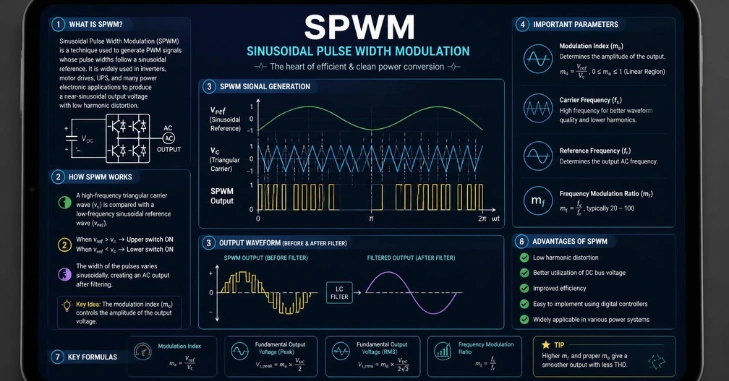
SPWM has an established technical meaning: Sinusoidal Pulse Width Modulation, a method discussed in power electronics and motor-control applications. Texas Instruments, IEEE material, and MathWorks all use the abbreviation in this engineering sense. If the conversation includes inverters, waveforms, motors, switching frequencies, or electrical engineering, the technical definition is far more likely.
Online sources also disagree about several less common slang expansions. Some pages suggest meanings such as “Send Pics With Me,” “Single Parent White Male,” or other niche interpretations, which shows why you shouldn’t treat the letters as a formal dictionary term with one universal definition. For an ordinary chat about teasing, disbelief, or honesty, “Stop Playing With Me” has the strongest agreement among the current results reviewed for this article.
When You Should Avoid Using the Abbreviation
This slang works best in casual conversations where the other person is likely to understand your tone. In professional emails, school communication with an instructor, customer service, or workplace discussions, writing the full thought is clearer. “Can you confirm that?” or “Are you being serious?” leaves less room for misunderstanding.
You should also be careful during an already tense conversation. A short reaction can look more confrontational on screen because the other person cannot hear your voice. Adding a clear sentence about what you mean can prevent a playful phrase from becoming an unnecessary argument.
The Bottom Line
In most casual U.S. texting situations, those four letters are a quick way to say “Stop Playing With Me.” Read the conversation for signs of surprise, teasing, flirting, or irritation before you respond. For more explainers about apps, digital communication, and technology, browse Newsloger’s Tech section and keep unfamiliar online shorthand from slowing down the conversation.
Frequently Asked Questions
What does the abbreviation mean in a text message?
The SPWM meaning in text is most commonly “Stop Playing With Me.” It usually communicates surprise, disbelief, teasing, or a desire for the other person to get serious. The surrounding conversation determines whether it sounds friendly or confrontational.
Is SPWM rude?
It can be, but it is not automatically rude. Friends often use the phrase playfully when reacting to jokes or surprising news. In a disagreement, the same wording can sound accusatory because it suggests the other person is not being truthful or serious.
Can the abbreviation be flirty?
Yes, it can sound flirty when the conversation already has a romantic or teasing tone. For example, someone may use it after an unexpected compliment or playful confession. The abbreviation itself does not prove romantic interest, so avoid reading more into it than the conversation supports.
Does it mean the same thing on Snapchat and TikTok?
The casual definition usually remains the same, but the tone can shift with the setting. TikTok comments may use it as a dramatic public reaction. At the same time, Snapchat messages are often more personal and conversational—Emojis, punctuation, and the message immediately before it provide the strongest clues.
What if none of the common meanings fit
Ask the sender what they meant instead of forcing the message into a definition that makes no sense. Slang can vary among friend groups, communities, and technical fields. A quick “What do you mean by that?” is more reliable than assuming an unusual expansion.