
If you keep asking why does my cat sleep on me, the answer is usually reassuring. Your body offers warmth, a familiar scent, safety, and comfortable contact. The habit often reflects trust, routine, or simple preference rather than a hidden problem.
| What you notice | What it can suggest |
|---|---|
| Sleeping on your chest | Warmth, close contact, breathing, and heartbeat |
| Sleeping near your head | Heat, familiar scent, and less movement |
| Sleeping between your legs | Warmth, enclosure, and a secure resting pocket |
| Sleeping on your feet | Closeness with an easier escape route |
| Sudden new clinginess | Stress, routine changes, discomfort, or illness |
Quick Answer: What This Sleeping Habit Usually Means
Most cats sleep on trusted people because the spot feels warm, familiar, secure, and rewarding. Your scent and steady presence can make rest easier. The behavior is usually normal unless it appears suddenly with other changes in health or behavior.
Key Takeaways
- Warmth is one of the strongest practical reasons for close sleeping.
- Close resting can fit normal bonding and attachment behavior.
- Chest, head, leg, and foot positions may offer different comfort advantages.
- Sudden clinginess deserves attention when other symptoms appear.
- You can redirect the habit without punishing or frightening your pet.
Why Does My Cat Sleep on Me? 7 Common Reasons
There is rarely one single explanation for this behavior. Several needs can be met by the same sleeping spot. The following reasons often overlap, especially during nighttime rest.
1. Your Body Is Warm
Felines naturally seek comfortable heat, and your body provides a steady source. Merck lists normal feline rectal temperature at 100.5°F to 102.5°F. A warm lap or torso can therefore feel especially inviting during rest.
2. You Feel Like a Safe Resting Place
Sleep reduces awareness of the surrounding environment, so secure locations matter. A trusted person can become part of that safe resting setup. Close sleeping may therefore reflect comfort with your presence and predictable movements.
3. Your Scent Is Familiar
Familiar scent helps make a sleeping area feel known and predictable. Your clothes, bedding, hair, and skin all carry recognizable odors. Resting against you can combine those familiar smells with warmth and physical comfort.
4. Close Sleeping Supports Social Bonding
Research shows domestic felines can form attachment relationships with human caregivers. Sleeping close may fit that broader pattern of proximity seeking and social contact. It should not be treated as a precise test of love.
5. Your Breathing and Heartbeat May Feel Comforting
The chest offers more than body heat. PetMD notes that warmth, breathing, and heartbeat can make this position soothing. That combination can make your torso an especially attractive resting surface.
6. The Habit Has Become Part of a Routine
Repeated bedtime patterns can become rewarding quickly. A pet may learn that climbing onto you brings warmth, petting, or quiet attention. Predictable rewards can make the same sleeping choice more likely each night.
7. Your Body Can Be a Stable, Raised Perch
Beds and sofas already provide soft, raised resting areas. Your body may add another comfortable surface within that protected space. Some animals also prefer positions that let them notice when you move.
What Different Sleeping Positions Can Mean
| Position | Likely attraction | Practical clue |
|---|---|---|
| Chest | Warmth, scent, breathing, heartbeat | Often high-contact resting |
| Head or pillow | Heat, scent, limited movement | May disturb light sleepers |
| Between legs | Warmth and enclosure | Creates a nest-like pocket |
| Feet | Closeness with more space | Easier movement away |
| Beside you | Social proximity without full contact | Useful alternative for boundary training |
No sleeping position gives a perfect reading of emotion. Purina notes that chest, head, legs, and feet can each offer different comfort benefits. Look at the full pattern, including body language, routine, appetite, and activity.
Is It Safe to Let Your Feline Sleep on You?
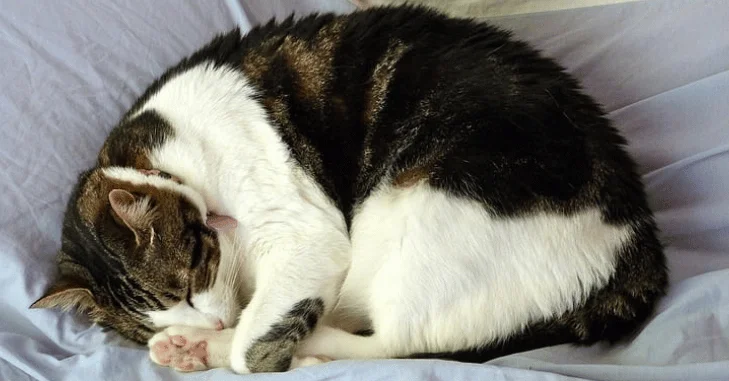
For many healthy adults, close sleeping is mainly a comfort decision. The arrangement should not interfere with breathing, comfort, or safe movement. A restless sleeper may prefer the animal beside them instead of directly on them.
Sleep quality matters because repeated waking can leave you less rested. CDC guidance recommends preventing pets from disturbing sleep when they cause nighttime interruptions. If you wake repeatedly, a nearby bed may protect both closeness and rest.
Allergies and asthma can also change the decision. CDC advises keeping furry pets out of bedrooms when they trigger asthma symptoms. Routine veterinary care and good hygiene also help reduce health risks around household animals.
When Sudden Clinginess Deserves Veterinary Attention
A new sleeping habit is more important when it appears with other changes. Watch for altered appetite, thirst, breathing, mobility, vocalization, litter-box use, or energy. PetMD recommends veterinary evaluation when unusual clinginess appears alongside concerning symptoms.
Stress can also change where an animal rests. Moves, visitors, schedule changes, or conflict with another pet may increase proximity seeking. A veterinarian can help separate behavioral stress from pain or medical causes.
How to Encourage Nearby Sleeping Without Pushing Your Pet Away
You can set nighttime boundaries while keeping the relationship positive. The goal is to make another spot equally comfortable and predictable. Avoid punishment because it can add stress without teaching a preferred location.
- Place a soft bed or folded blanket beside your usual sleeping area.
- Choose a warm location that avoids drafts and heavy foot traffic.
- Reward calm use of the new spot with attention or a small treat.
- Move the animal gently and consistently when it climbs onto you.
- Keep the new routine similar each night so the location becomes familiar.
If dander collects on nearby fabrics, regular cleaning can make the area easier to manage. Wash bedding on an appropriate schedule and vacuum soft surfaces consistently. The Newsloger’s 4-Month-Old Kitten guide offers additional tips for maintaining soft household surfaces.
Frequently Asked Questions
Why does my cat sleep on me every night?
Nightly sleeping usually means the location reliably meets several needs. Warmth, familiarity, safety, attention, and routine can all reinforce the choice. A consistent pattern is usually less concerning than a sudden behavioral change.
Does sleeping on me mean my pet trusts me?
It can be consistent with trust, but one behavior cannot prove an emotional state. Resting on a person requires comfort with close contact and movement. Consider other friendly behaviors, including relaxed posture, rubbing, slow blinking, and voluntary proximity.
Why does my feline sleep on my chest?
Your chest combines heat, scent, breathing, and a steady heartbeat. PetMD describes these features as possible sources of comfort and security. The position also keeps your pet in close physical contact.
Why does my feline sleep near my head?
The head and pillow area can stay warm and move less than the legs. Hair and skin also carry familiar scents. PetMD notes that warmth, scent, and movement patterns can help explain head sleeping.
Should I stop my pet from sleeping on me?
You do not need to stop the habit if everyone sleeps comfortably. Set boundaries when allergies, asthma, pain, breathing issues, or repeated waking become concerns. A nearby bed can preserve social contact while giving you more space.
Why has my pet suddenly started sleeping on me?
A sudden change can follow stress, colder weather, routine changes, or increased need for comfort. It can also appear with pain or illness. Contact your veterinarian if the change comes with other physical or behavioral symptoms.
Give Your Pet a Comfortable Choice
Close sleeping is usually a mix of warmth, security, scent, routine, and social contact. Pay attention to the whole behavior instead of treating one position as a secret message. If the habit changes suddenly, use the change as a cue to observe your pet more closely.
For more animal-related coverage, browse the Newsloger Pets section. Keep an appealing nearby sleeping spot available if you need more room at night. That approach gives your companion comfort while protecting your own sleep.