
In today’s dating culture, emotional connection is one of the most sought-after qualities. Yet it can be a challenge to know early on whether someone is truly available or just going through the motions. Brandon Wade, Seeking.com founder, an MIT graduate and visionary entrepreneur, created the platform to provide a space where success-minded individuals can forge relationships grounded in clear intentions and authenticity. Emotional presence isn’t optional. It’s part of the foundation.
Understanding emotional availability means more than identifying dramatic behavior. It’s about recognizing subtle patterns that indicate whether someone can truly meet you in an open, honest relationship. Knowing what to look for can help you protect your energy and invest in the right connection from the beginning. You might also like Synonym for Debauchery.
What Emotional Availability Really Means
Being emotionally available means being able and willing to consistently show up with curiosity and vulnerability. Emotionally available people are present in the moment, able to have open conversations, and capable of building intimacy over time. On the flip side, emotionally unavailable individuals often struggle with expressing feelings, avoid deep topics, and send mixed signals. They may be charming and responsive at first but gradually pull away when things get more meaningful. Their actions leave the other person second-guessing or feeling alone in the relationship.
With Brandon Wade’s Seeking.com, emotional clarity is encouraged from the start. The site’s design allows users to define their needs, goals, and intentions before a first date even happens. This upfront approach filters out connections based on fantasy or vagueness and creates space for authentic relationships to form.
Early Signs That Someone May Not Be Emotionally Ready
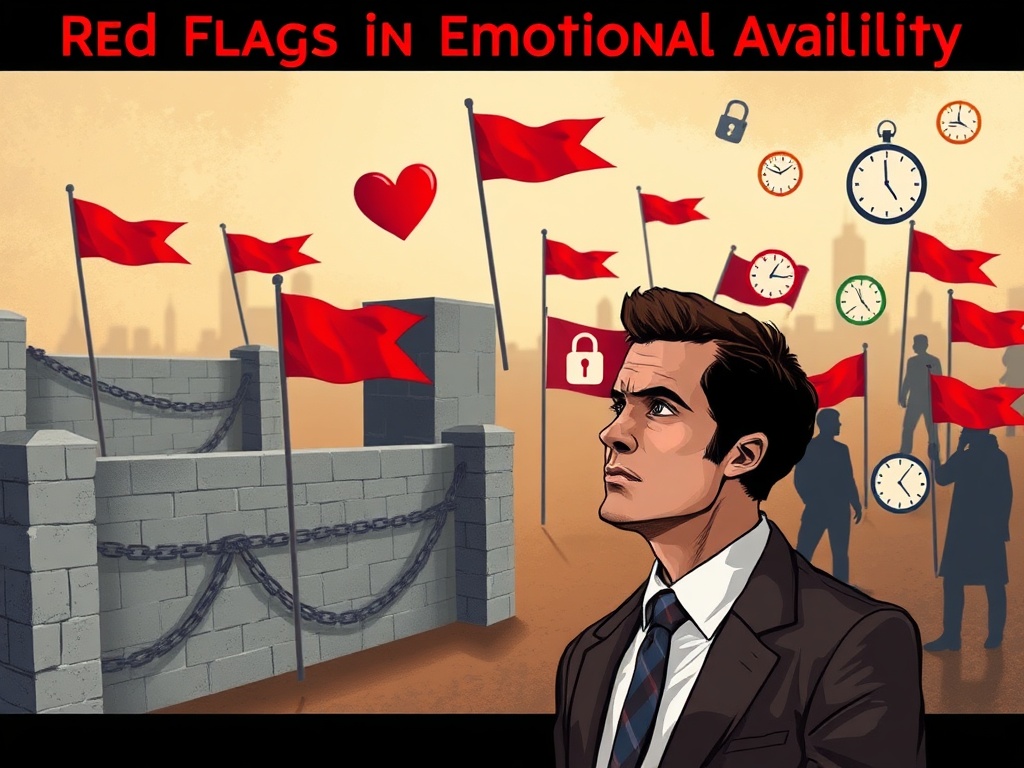
Some signs of emotional unavailability are easy to spot, but others are more subtle. They may not ignore your texts or cancel plans, but you might notice a pattern of shallow communication or lack of emotional depth. One early sign is avoidance of serious conversations. If someone consistently deflects when the topic turns personal or makes jokes to avoid vulnerability, it may point to discomfort with emotional closeness.
Another sign is inconsistency. Emotionally unavailable people often go hot and cold. Highly engaged one day, distant the next. They may express interest but struggle to maintain it, especially when intimacy deepens. This pattern leaves you feeling uncertain or insecure. A third red flag is being reluctance to define the relationship. If someone avoids discussing intentions or gets defensive when you want clarity, it could be because they’re not emotionally available enough to commit.
The Impact on Connection and Confidence
Trying to build a connection with someone emotionally unavailable can feel like emotional labor. You find yourself doing more of the initiating, guessing their feelings, or managing your expectations to avoid disappointment. Over time, this imbalance can erode your confidence and distort your view of what a healthy connection looks like.
Emotional availability is not just about how someone treats you. It’s about whether they are truly present enough to engage in mutual growth. A person can be kind, respectful, and enjoyable to be around, but still lack the emotional capacity to form a deep, lasting relationship. This is why emotional alignment is just as important as chemistry. Understanding who you are and how you love allows for a more mindful, emotionally honest connection between partners.
Why Early Transparency Matters
One of the best ways to detect emotional unavailability is to lead with emotional clarity yourself. When you show up with honest communication, you invite the other person to do the same or reveal their inability to match that energy. Setting a tone of openness from the start helps you quickly learn whether your partner is ready to meet you there. If they shut down or change the subject, that’s not just a personality trait. It’s a signal that emotional depth may not be available in this connection.
Brandon Wade explains, “When people are honest about what they want, they’re far more likely to attract someone who truly aligns with their values. That’s when relationships stop feeling like work and start feeling like mutual respect and connection.” This approach is built into Seeking.com. Users are encouraged to name their values, goals, and emotional preferences. That kind of intentional design helps people connect with clarity, not confusion.
Moving Beyond Red Flags
Not every sign of hesitation means a person is emotionally unavailable. Sometimes people just need time or reassurance. But the key is in how they respond to open, respectful communication. Emotionally available partners listen when you express concerns. They engage with your questions rather than avoid them. Even if they’re still figuring things out, they include you in the process.
Mutual openness builds the foundation for real trust. If someone becomes defensive, minimizes your feelings, or consistently avoids emotional topics, it’s important to listen to what those actions are telling you. The right partner won’t need convincing to be emotionally present. They’ll value that depth as much as you do.
Trusting What You Know and Feel
Spotting emotional availability is more than interpreting behavior, but it’s about trusting your own experience. If you feel uncertain, consistently let down, or like you’re carrying the emotional weight of the relationship, those are signs worth listening to. Emotionally mature relationships feel steady. You don’t have to wonder where you stand.
You feel safe expressing yourself, confident that the other person can hold space for your emotions. You’re not afraid that honesty will drive them away. When emotional alignment is present from the start, dating becomes about transparency, not guesswork. This clarity helps ensure the connections you form are with people who match your emotional depth and readiness for a meaningful relationship.
Clarity Is the Safest Path Forward
In the end, the best way to assess emotional availability is to bring your full self to the table. When you lead with truth, consistency, and emotional openness, you naturally attract partners who are ready to do the same.
Emotionally available relationships don’t start with performance. They start with honesty. And sites like Brandon Wade’s Seeking.com make it easier for people to date with emotional clarity as the standard, not the exception. When you feel emotionally seen from the beginning, you’re already building something real.