
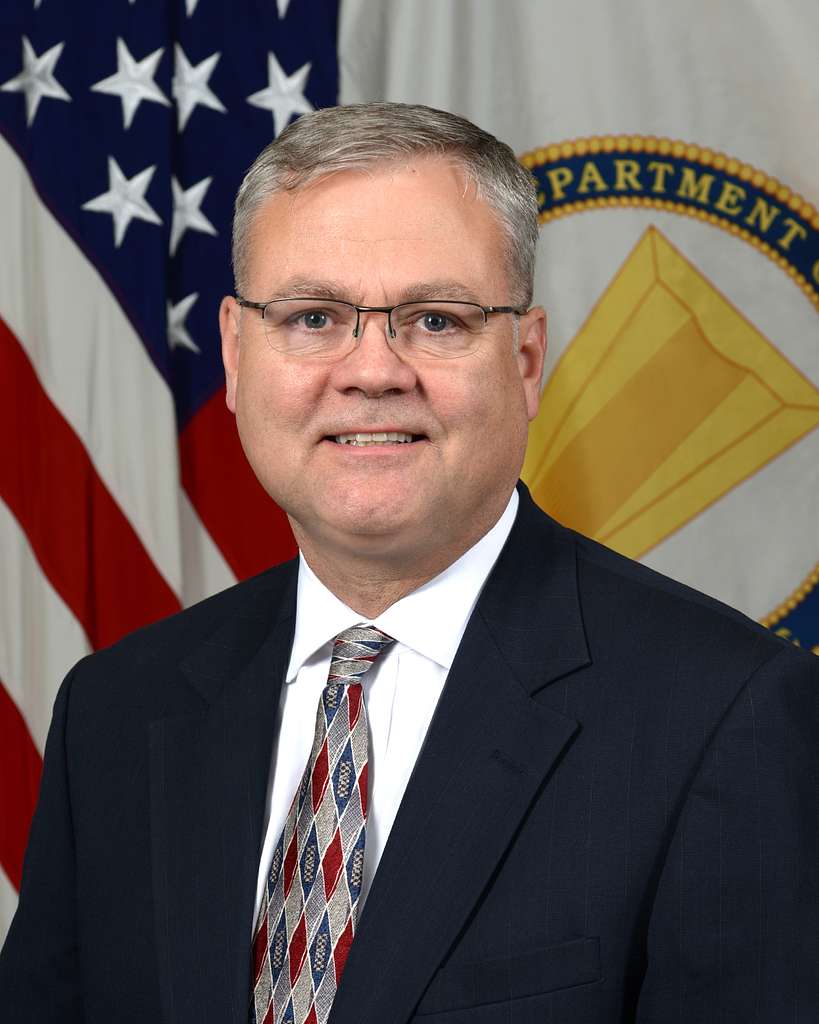
Randall Robinson was born on July 6, 1941, in Richmond, Virginia, and died on March 24, 2023, at the age of 81. Had he lived, he would have turned 85 in July 2026. He is best known as the founder of TransAfrica, a leading voice in the U.S. anti-apartheid movement and the author of The Debt: What America Owes to Blacks.
Searches for Randall Robinson’s age often turn up conflicting figures because some profiles were written before his death and never updated. This guide sets out the confirmed dates, then covers his education, activism, books, family and why his work still matters.
Randall Robinson Quick Facts
| Category | Information |
|---|---|
| Full name | Randall Robinson |
| Born | July 6, 1941, Richmond, Virginia, U.S. |
| Died | March 24, 2023 |
| Age at death | 81 |
| Reported height | About 6 ft 1 in |
| Nationality | American (lived in St. Kitts in later life) |
| Education | Norfolk State College; Virginia Union University, B.A. in Sociology, 1967; Harvard Law School, J.D., 1970 |
| Parents | Maxie Cleveland Robinson Sr. and Doris Alma Jones Robinson Griffin |
| Known for | Founding TransAfrica, anti-apartheid activism, Haiti advocacy, reparations writing |
How Old Was Randall Robinson?
Randall Robinson was 81 years old when he died on March 24, 2023. Because he was born on July 6, 1941, his age is easy to calculate for any point in his career, and doing so shows how early his most important work began.
| Year | Milestone | Robinson’s Age |
|---|---|---|
| 1967 | Graduated from Virginia Union University | 25-26 |
| 1970 | Earned his J.D. from Harvard Law School | 28-29 |
| 1977 | Founded TransAfrica | 35-36 |
| 1984 | Helped launch the Free South Africa Movement protests | 43 |
| 1994 | Hunger strike over U.S. policy toward Haitian refugees | 52-53 |
| 2000 | Published The Debt: What America Owes to Blacks | 58-59 |
| 2023 | Died | 81 |
Some older articles list him as “currently 83” or similar. Those figures are out of date: they simply add years to his birth date without accounting for his death in 2023.
Early Life and Education
Robinson grew up in segregated Richmond, Virginia, the son of schoolteacher parents who placed a heavy emphasis on education. Growing up under Jim Crow shaped his lifelong focus on race, power and justice.
He first attended Norfolk State College, then earned a bachelor’s degree in sociology from Virginia Union University in 1967. In 1970 he graduated from Harvard Law School. Some profiles wrongly say he studied law at the University of Pennsylvania; his law degree is from Harvard. Later in life he taught law as a scholar in residence, which may explain the confusion.
After law school, Robinson worked in civil rights law and on Capitol Hill, including as a congressional staff member. That experience taught him how foreign policy was actually made in Washington, and how rarely African and Caribbean voices were heard in the process.
Founding TransAfrica
In 1977, at about 36 years old, Robinson founded TransAfrica, an organization created to influence U.S. foreign policy toward Africa and the Caribbean. Its premise was simple but new at the time: African Americans should have an organized lobbying voice on foreign affairs, just as other communities did.
Under his leadership, TransAfrica focused on several issues:
- Ending U.S. support for apartheid in South Africa.
- Pushing for democracy and refugee protections in Haiti.
- Drawing attention to debt, trade and human rights across Africa and the Caribbean.
- Building a network of scholars, activists and lawmakers who could speak on these issues.
The Anti-Apartheid Movement
Robinson’s best-known campaign began in November 1984, when he and other activists staged a sit-in at the South African Embassy in Washington, D.C. The protest grew into the Free South Africa Movement, with daily demonstrations and arrests of activists, clergy, celebrities and members of Congress over many months.
The sustained pressure helped build public support for economic sanctions. In 1986 Congress passed the Comprehensive Anti-Apartheid Act over President Reagan’s veto, imposing sanctions on South Africa. Robinson was widely regarded as one of the people most responsible for moving the issue from the margins to the center of American politics.
The video below offers more on his life and activism.
Advocacy for Haiti
In 1994 Robinson went on a hunger strike lasting several weeks to protest U.S. policy of returning Haitian refugees without hearings. The protest drew national attention, and the Clinton administration changed its refugee policy during the strike. Haiti remained central to his later work, including his 2007 book An Unbroken Agony: Haiti, from Revolution to the Kidnapping of a President, which examined the 2004 removal of President Jean-Bertrand Aristide.
Books and Literary Contributions
Robinson was a writer as much as an organizer. His books combined memoir, history and argument, and several became widely discussed.
| Book | Type | What It Covers |
|---|---|---|
| Defending the Spirit: A Black Life in America | Memoir | His upbringing, career and the founding of TransAfrica |
| The Debt: What America Owes to Blacks | Nonfiction | The case for reparations for slavery and its legacy |
| The Reckoning: What Blacks Owe to Each Other | Nonfiction | Responsibility and solidarity within Black communities |
| Quitting America | Memoir and essay | His decision to leave the United States for St. Kitts |
| An Unbroken Agony | Nonfiction | Haiti’s history and the 2004 ouster of Aristide |
The Debt is his most influential work. It helped bring reparations into mainstream political debate and is still widely cited in discussions of racial justice. He also wrote fiction later in his career.
Awards and Recognition
Profiles of Robinson report several honors for his writing and advocacy, including an NAACP Image Award, the Hubert H. Humphrey Civil Rights Award from the Leadership Conference on Civil and Human Rights and a Robert F. Kennedy Book Award connected with Defending the Spirit. These were recognition awards rather than major cash prizes. More lasting than any single award was the respect he earned from African and Caribbean leaders, including figures in the anti-apartheid struggle.
Family Life
Robinson’s family was central to his story. His older brother, Max Robinson, became the first Black anchor of a U.S. network evening newscast when he co-anchored ABC World News Tonight. His parents’ emphasis on education and public service shaped all of their children.
He was married to Hazel Ross-Robinson, who worked alongside him in international affairs and shared his commitment to Africa and the Caribbean. He was also a father. In later years the couple lived in St. Kitts, where Robinson spent the final part of his life and where he died in 2023.
Moving to St. Kitts
In the early 2000s Robinson left the United States and settled in St. Kitts, his wife’s home country. He explained the decision in Quitting America, describing deep frustration with American racial and foreign policy. The move did not end his work; he continued to write, teach and speak on Haiti, Africa and reparations from the Caribbean.
Why Online Sources Disagree About His Details
Many short biography pages copy from each other, so a single error can spread quickly. With Robinson, the most common mistakes are an age that keeps rising after 2023, a law degree credited to the wrong university and family details that do not match his own memoir.
If you are researching him for school or work, a few checks will save time:
- Confirm dates against obituaries published by major news outlets in March 2023.
- Use his memoir Defending the Spirit for early life, education and family background.
- Treat height and net worth figures as estimates, since they are rarely sourced.
- Check the publication date of any profile that gives his age in the present tense.
Legacy and Influence
Robinson’s legacy is measured in policy and ideas rather than money. He showed that African Americans could organize effectively on foreign policy, helped push the U.S. toward sanctions on apartheid South Africa, changed refugee policy toward Haiti and made reparations a serious subject of national debate.
For students and researchers, the most useful starting points are his memoir Defending the Spirit for his life story and The Debt for his ideas. For more profiles of public figures, read our Joseph Kuklinski Wiki.
Final Thoughts on Randall Robinson’s Age and Life
Randall Robinson lived from 1941 to 2023 and died at 81, after more than four decades of activism that began in his mid-30s with TransAfrica. When you see a different age online, check whether the source predates his death. His books remain the best way to understand why his work mattered. If you enjoy biographies, see our piece on Uncovering The Interesting Biography Of Anouke Sinthasomphone Age, Net Worth, Height,… or browse our Entertainment category.
FAQs
How old was Randall Robinson when he died?
Randall Robinson was 81 when he died on March 24, 2023. He was born on July 6, 1941, in Richmond, Virginia, so he would have turned 82 a few months later.
What is Randall Robinson best known for?
He is best known for founding TransAfrica in 1977 and for helping lead the Free South Africa Movement, which built support for U.S. sanctions against apartheid South Africa. He is also known for his book The Debt, which argued for reparations.
What are Randall Robinson’s most notable books?
His most notable books are Defending the Spirit: A Black Life in America, The Debt: What America Owes to Blacks, The Reckoning, Quitting America and An Unbroken Agony: Haiti, from Revolution to the Kidnapping of a President.
Where did Randall Robinson go to law school?
Robinson earned his J.D. from Harvard Law School in 1970. Before that he received a B.A. in sociology from Virginia Union University in 1967.
Was Randall Robinson related to Max Robinson?
Yes. Max Robinson, the pioneering ABC News anchor, was his older brother. Both grew up in Richmond, Virginia.
Why did Randall Robinson move to St. Kitts?
He moved to St. Kitts in the early 2000s out of frustration with U.S. racial and foreign policy, a decision he explained in his book Quitting America. St. Kitts was his wife’s home country.