


Choosing where to keep your money becomes easier once you understand the different types of bank accounts available in the United States. The four main choices are checking, savings, money market accounts, and certificates of deposit. Each serves a different purpose based on access, interest, fees, and your financial goals.
A checking account works well for daily spending, while savings accounts help protect money for future needs. Money market accounts combine some saving features with added access, while CDs reward you for leaving money untouched. Many people get better results by using two or more account types together.
Direct answer: Most U.S. consumers choose among checking accounts, savings accounts, money market accounts, and certificates of deposit. Checking works best for frequent spending, while savings and money market accounts suit accessible savings. CDs can suit money you will not need until a planned future date.
Bank Account Types at a Glance
| Account type | Best for | Typical access | Interest potential | Main drawback |
|---|---|---|---|---|
| Checking | Everyday spending and bills | High | Usually low or none | Possible service or overdraft fees |
| Savings | Emergency funds and short-term goals | Moderate | Usually earns interest | Some institutions restrict certain withdrawals |
| High-yield savings | Accessible savings with stronger returns | Moderate | Often higher than traditional savings | Rates can change. |
| Money market account | Savings with some transaction features | Moderate | Often competitive | Higher balance requirements may apply. |
| Certificate of deposit | Money saved for a fixed period | Low until maturity | Often fixed for the term | Early withdrawals may trigger penalties. |
| Joint account | Shared household money | Depends on account type | Depends on account type | Each owner may control the funds |
| Business account | Business income and expenses | High | Varies | Fees and requirements vary |
Key Takeaways
- Checking accounts are usually the strongest choice for paychecks, bills, debit-card purchases, and everyday transactions.
- Savings accounts can separate emergency funds and short-term savings from money meant for regular spending.
- High-yield savings accounts may pay stronger rates while keeping funds relatively accessible.
- Money market deposit accounts can pay interest and may include checks or debit card access.
- CDs usually suit money you can leave untouched for a defined period.
- Federal deposit insurance should be checked before depositing substantial savings with any institution.
1. Checking Accounts for Everyday Money
Checking accounts are designed for frequent transactions rather than long-term saving. You can usually receive direct deposits, use a debit card, pay bills, and withdraw cash. Many accounts also support transfers, checks, mobile banking, and electronic payments.
The main advantage is convenient access to your money. The tradeoff is that standard checking products often pay little or no interest. Some institutions also charge monthly maintenance, overdraft, or out-of-network ATM fees.
Interest-bearing checking accounts also exist, although their requirements can differ from standard products. The CFPB advises consumers to compare fees and minimum-balance rules before choosing one. A higher advertised rate may offer little value when account charges exceed the interest earned.
2. Savings Accounts for Emergency Funds and Goals
Savings accounts are designed to hold money that you do not plan to spend every day. They commonly earn interest and can help separate savings from routine expenses. Common uses include emergency funds, vacations, home repairs, and other planned expenses.
Traditional savings accounts often have variable interest rates. Banks can change those rates as economic conditions and their own pricing policies change. Account holders should therefore compare annual percentage yields, fees, and balance requirements before opening an account.
Some institutions may also restrict certain transfers or withdrawals. Current rules can differ by bank, so checking the account agreement matters. The strongest account is one that balances a competitive return with the access you genuinely need.
3. High-Yield Savings Accounts
A high-yield savings account works much like a traditional savings account but generally offers a more competitive rate. Online banks commonly offer these products because they may have lower operating costs. Rates remain variable, so a strong APY today does not guarantee the same return later.
These accounts can work well for emergency funds or short-term goals. They provide better liquidity than most CDs while still allowing your balance to earn interest. Access times can vary when your savings institution is separate from your main checking provider.
Before opening one, compare more than the headline APY. Check minimum deposits, balance requirements, withdrawal options, transfer speeds, and maintenance fees. Also confirm that the institution carries appropriate federal deposit insurance.
Different Types of Bank Accounts for Saving: Savings, Money Markets, and CDs
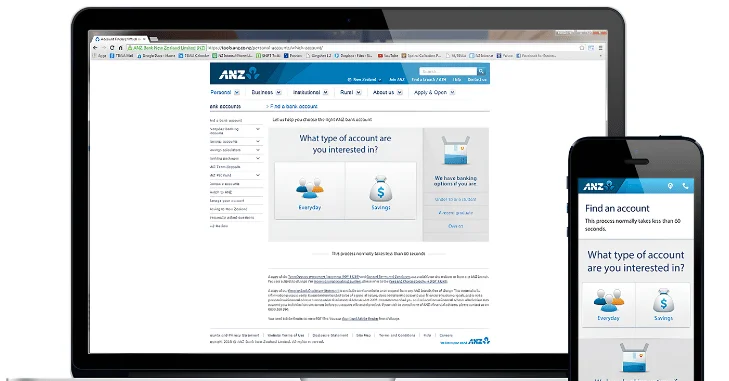
Savings products differ mainly in how easily you can access your money. A traditional or high-yield savings product offers relatively flexible access. Money market deposit accounts may add transaction features, while CDs generally exchange flexibility for a fixed term.
Your expected withdrawal date should guide the choice. Emergency money should remain accessible because unexpected bills do not follow a schedule. Money reserved for a known future date may be better suited to a product with stronger withdrawal restrictions.
Interest rates also matter, but a rate alone should not decide the account. Fees, minimum balances, penalties, and access can change your real return. Compare the complete account terms before moving savings.
4. Money Market Accounts
A money market account is a deposit product offered by banks and credit unions. It commonly earns interest and may provide limited check-writing or debit-card access. Minimum deposit or balance requirements can be higher than those of standard savings products.
The CFPB notes that these accounts may offer stronger interest rates than some other savings products. Institutions can also place their own transaction limits or account conditions. Consumers should review the current terms instead of assuming every provider follows identical rules.
A money market deposit account should not be confused with a money market mutual fund. A mutual fund is an investment product rather than a bank deposit. That distinction matters because FDIC deposit insurance does not cover mutual funds.
5. Certificates of Deposit
A certificate of deposit, or CD, is designed for money you can leave deposited for a set period. Terms can range from months to several years depending on the institution. In exchange, the account generally pays a stated rate during the agreed term.
Early access can be expensive because traditional CDs often charge withdrawal penalties. The CFPB recommends matching the maturity date with the date you expect to need the money. Consumers should compare the term, rate, and early-withdrawal penalty before committing funds.
CDs can be useful for predictable goals instead of emergency savings. For example, money reserved for a planned purchase next year may fit a matching CD term. Emergency cash usually belongs somewhere more accessible because unexpected expenses can arrive before maturity.
What About Joint, Student, and Business Accounts?
Joint accounts allow two or more people to share ownership of an account. Couples often use them for household expenses, although relatives or business partners may use them too. Access rights and responsibilities should be understood before adding another owner.
Student and youth accounts are generally variations of checking or savings products. Banks may reduce fees, lower balance requirements, or provide age-specific features. Minors may need a parent or guardian involved, depending on the institution and account structure.
Business accounts help separate company finances from personal money. Banks may offer business checking, savings, money market, or CD products with specialized features. Owners should compare transaction limits, cash-deposit policies, payment tools, and monthly fees.
How FDIC Insurance Protects Deposits
The Federal Deposit Insurance Corporation protects qualifying deposits when an FDIC-insured bank fails. Covered products include checking, savings, money market deposit accounts, and time deposits such as CDs. Investments, including stocks, bonds, mutual funds, and crypto assets, are not FDIC-insured deposits.
According to the FDIC, standard coverage is generally $250,000 per depositor, per insured bank, per ownership category. Different ownership categories can affect how coverage is calculated. Consumers with larger balances should use FDIC resources or speak with their institution about their specific structure.
Credit unions can have comparable federal protection through the National Credit Union Administration. You should still verify the institution rather than assuming every financial company carries federal insurance. This check becomes especially important when using unfamiliar online financial services.
Which Account Type Should You Choose?
Start with what the money must do. Money used for groceries, bills, subscriptions, and other frequent payments generally belongs in checking. Emergency savings usually need an accessible savings product with competitive interest and manageable fees.
A money market product may suit people who maintain larger balances but still want some transaction flexibility. A CD can make sense when the withdrawal date is predictable and early access is unlikely. No single product is automatically right for every dollar you own.
Many households therefore use several accounts at once. A practical setup could combine checking for spending, high-yield savings for emergencies, and CDs for scheduled future goals. Separating money by purpose can also make budgeting easier.
What to Compare Before Opening an Account
Begin by checking monthly fees and the conditions for avoiding them. Then compare minimum opening deposits, minimum balances, ATM access, transfer options, and mobile banking features. These details can matter more than a small difference in interest rates.
For savings products, compare APY alongside withdrawal rules. For CDs, review the maturity date and early-withdrawal penalty carefully. For checking, examine overdraft policies and ATM fees before moving direct deposits.
Federal insurance deserves its own check. Confirm that a bank is FDIC-insured or that a credit union has appropriate NCUA coverage. Do not assume an app or financial brand automatically provides the same protection as an insured deposit institution.
Checking vs. Savings: Which Should You Open First?
For most adults receiving regular income, checking is usually the practical starting point. It gives you a central place for direct deposits, bills, debit-card spending, and transfers. A separate savings product can then protect money you do not want mixed with everyday spending.
Opening both can create a simple financial system. Income arrives in checking, while automatic transfers move part of that money toward savings goals. This separation can reduce the temptation to spend funds intended for emergencies.
You do not need every account type immediately. Add products only when each one serves a clear purpose. More accounts can create complexity when they do not solve a specific financial need.
Common Mistakes to Avoid
One mistake is choosing an account because of a promotional rate without reading the requirements. A high APY may require a certain balance, deposit pattern, or other conditions. Fees can also reduce the value of an attractive advertised return.
Another mistake is keeping emergency savings inside a long-term CD. The interest may be appealing, but an early withdrawal could bring penalties. Emergency funds generally need quicker access than fixed-term savings allow.
Consumers should also avoid confusing deposits with investments. Money market mutual funds, stocks, and crypto assets do not receive FDIC deposit coverage. Understanding what you actually own is essential before relying on federal protection.
Building a Simple Banking Setup
A basic two-account system is enough for many people. Checking handles income and routine expenses, while savings holds emergency money and short-term goals. This arrangement keeps spending money separate from funds meant to remain untouched.
As your goals become more specific, you can add other products. A CD may support a known future purchase, while a money market product may fit a larger accessible balance. The account should follow the goal rather than the other way around.
For more personal-finance and business coverage, browse the Newsloger Finance section. Its finance archive provides additional reading on financial markets and business topics. Always verify account terms directly with the institution before acting on general educational information.
Frequently Asked Questions
What are the four main types of bank accounts?
The four most common options are checking, savings, money market deposit accounts, and certificates of deposit. Each provides a different balance between access, interest, and restrictions. These different types of bank accounts can also be combined rather than treated as mutually exclusive choices.
What type of account is best for everyday use?
Checking is generally the strongest fit for daily transactions. It supports debit-card purchases, bill payments, cash withdrawals, transfers, and direct deposits. Fees and overdraft policies still vary widely among providers.
Which account is best for an emergency fund?
An accessible savings or high-yield savings product often fits emergency money well. The goal is to earn interest without creating a major barrier to withdrawals. A long-term CD is usually less suitable because emergencies can happen before maturity.
Are online bank deposits FDIC-insured?
They can be, but you should verify the actual institution holding the deposit. FDIC protection applies to deposits at insured banks rather than every financial website or app. The FDIC provides tools that consumers can use to check an institution’s insurance status.
Is a money market account the same as a money market fund?
No, they are different financial products. A money market deposit account can qualify for federal deposit insurance at an insured institution. A money market mutual fund is an investment and does not receive FDIC deposit coverage.
Can you have more than one type of account?
Yes, and using several products can make financial management easier. One account can handle spending while another stores emergency savings or future-goal money. The useful number depends on your goals and how much complexity you want to manage.
Final Takeaway
The right account depends on what you need the money to accomplish. Checking prioritizes access, savings products balance growth with liquidity, and CDs favor planned future use. Understanding those tradeoffs helps you avoid choosing an account based on rate alone.
Focus on fees, access, APY, minimum balances, and federal insurance before opening anything. Read the institution’s current terms because rates and policies can change. A simple combination of accounts often works better than trying to make one product handle every financial goal.